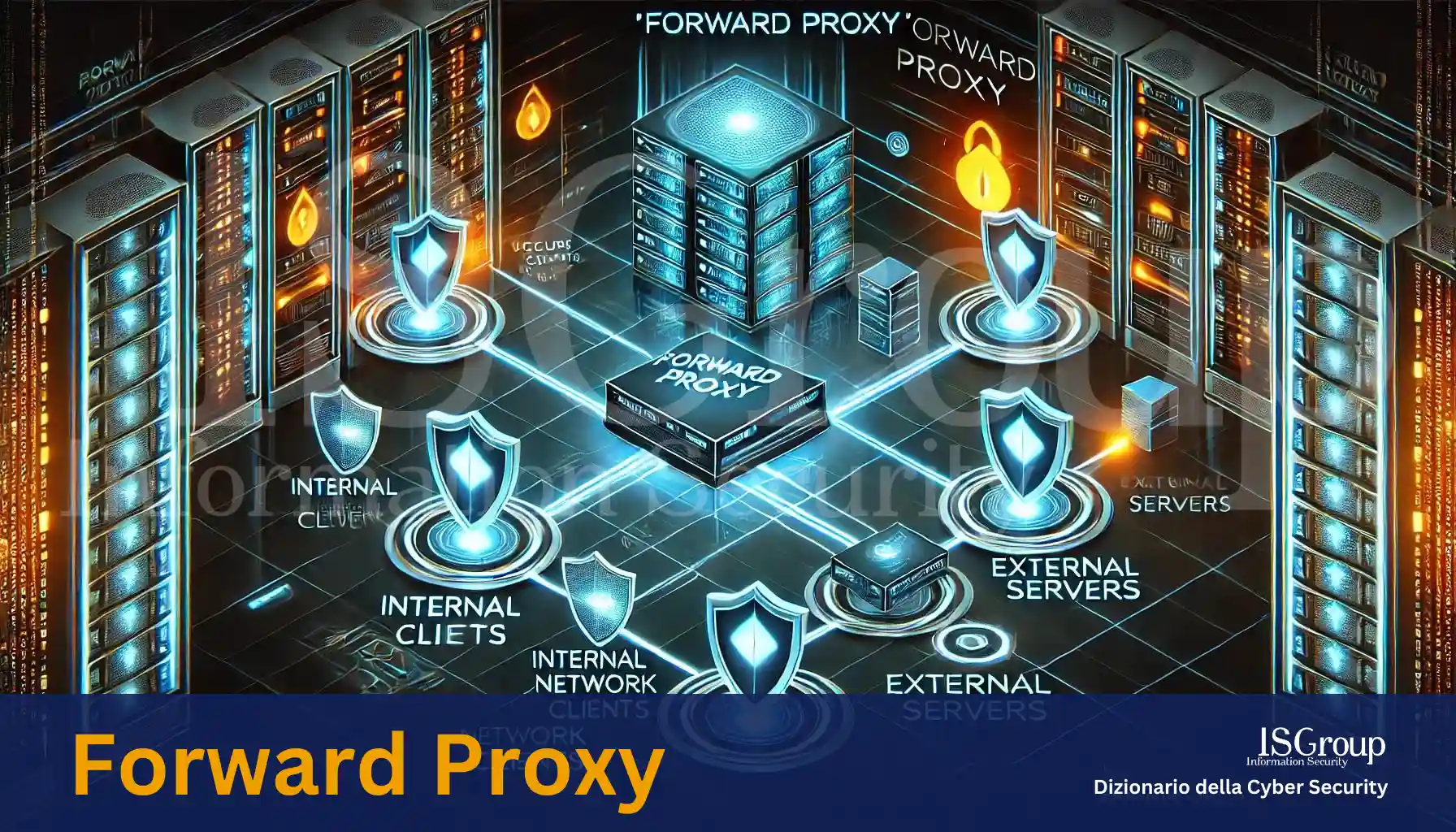
A Forward Proxy is a server that acts as an intermediary between a client (for example, a computer or a mobile device) and a destination server. All requests made by the client pass through this proxy server, which forwards them to the destination server. In other words, the Forward Proxy is designed to be the server through which all requests are made.
How a Forward Proxy Works
The operation of a Forward Proxy can be summarized in a few key steps:
- Client Request: The client sends a request to access a resource (such as a web page) to the Forward Proxy.
- Request Forwarding: The Forward Proxy receives the request and forwards it to the destination server.
- Server Response: The destination server processes the request and sends the response to the Forward Proxy.
- Delivery to Client: The Forward Proxy receives the response from the destination server and forwards it to the client.
Benefits of Using a Forward Proxy
Using a Forward Proxy offers several advantages:
- Privacy and Anonymity: It masks the client’s IP address, improving online privacy and anonymity.
- Controlled Access: It can be configured to restrict access to certain websites or resources, which is useful in corporate environments to control Internet usage.
- Caching: It can store copies of frequently requested resources, improving access speed and reducing the load on destination servers.
- Security: It helps filter malicious content and block unauthorized access, protecting the client from potential online threats.
Difference Between Forward Proxy and Reverse Proxy
It is important not to confuse a Forward Proxy with a Reverse Proxy, another type of proxy server. While a Forward Proxy primarily serves clients, a Reverse Proxy is positioned in front of servers and manages incoming requests, improving the performance and security of the servers themselves.
In summary, the Forward Proxy is a powerful tool that can improve the browsing experience, offer greater control over resource access, and increase online security and privacy.
Want to give your company the highest level of cyber security? ISGroup SRL is here to help with cyber security solutions tailored to your business.
Would you like us to take care of everything for you? Our Virtual CISO and vulnerability management services are a perfect fit for your organization.
Already know what you need? Explore our services:
- Vulnerability Assessment
- Network Penetration Testing
- Web Application Penetration Testing
- Mobile Application Security Testing
- Ethical Hacking
- Training
And much more. Protect your company with the best cybersecurity experts!