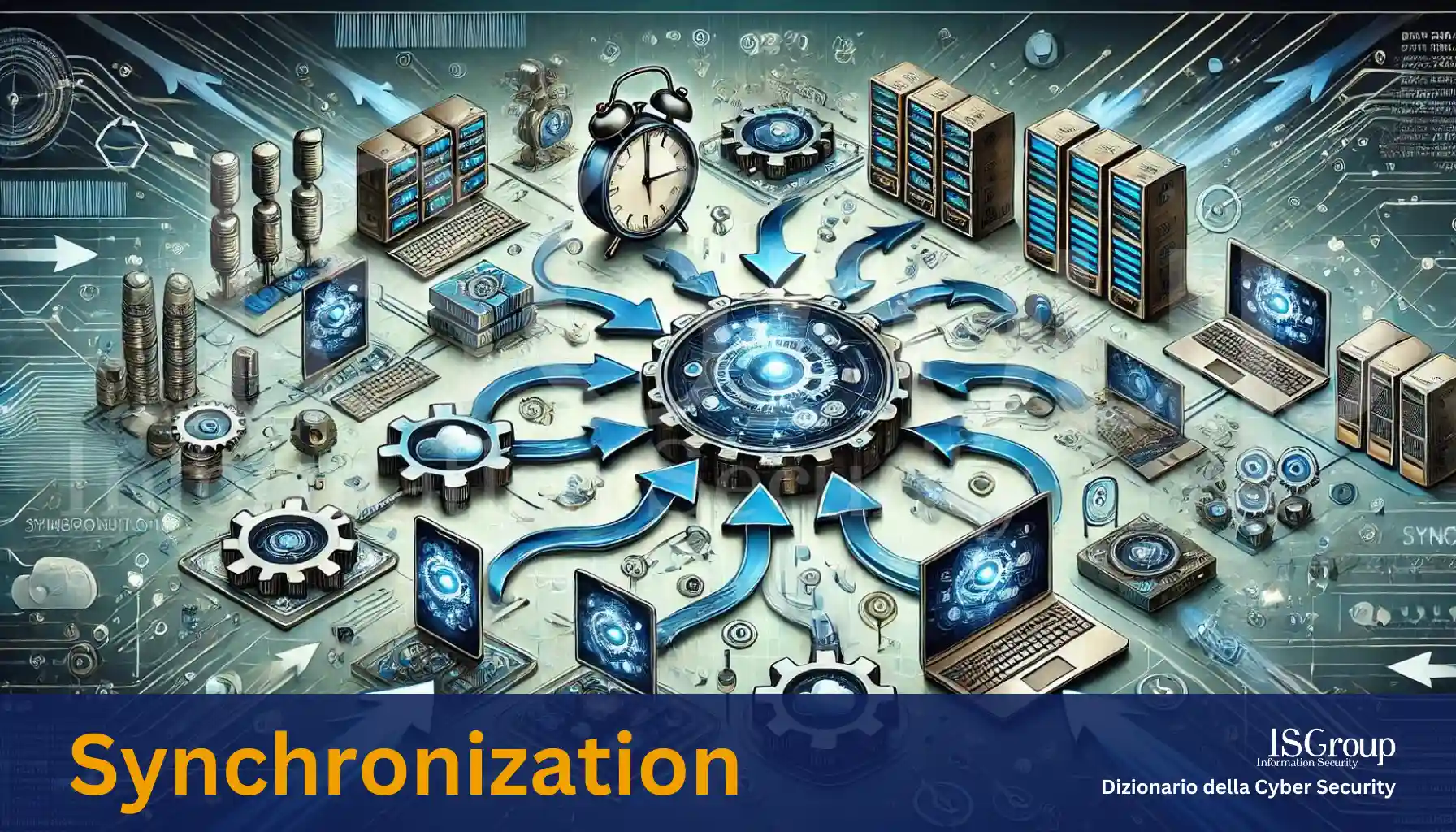
Synchronization is the signal consisting of a distinctive bit pattern that network hardware looks for to signal the beginning of a frame. This concept is fundamental in the field of telecommunications and computer networking, where ensuring the correct transmission and reception of data is crucial.
What is Synchronization?
In a network context, synchronization refers to the process through which network devices, such as routers, switches, and network interface cards, recognize the beginning of a new data packet. This recognition occurs through a predefined signal that represents a unique bit pattern. This pattern is designed to be easily identifiable by the hardware, thus avoiding errors in the interpretation of transmitted data.
Importance of Synchronization
Synchronization is essential for several reasons:
- Data Integrity: Without proper synchronization, data could be received in a fragmented or disordered manner, compromising the integrity of the information.
- Transmission Efficiency: Good synchronization allows for more efficient data transmission, reducing the need for retransmissions and minimizing latency.
- Error Recognition: Synchronization also helps in detecting transmission errors. If the hardware does not recognize the synchronization pattern, it can discard the corrupted packet and request a retransmission.
Synchronization Mechanisms
Synchronization mechanisms can vary depending on the type of network and the protocol used. Some of the most common methods include:
- Physical Layer Synchronization: This occurs at the bit level, where the hardware recognizes a specific pattern in the sequence of transmitted bits.
- Data Link Layer Synchronization: Here, synchronization can occur through start and end-of-frame signals, which clearly delimit data packets.
- Time Synchronization Protocol: In some networks, a specific protocol is used to keep the clocks of network devices synchronized, ensuring that data transmission and reception occur in a coordinated manner.
Conclusions
Synchronization is a crucial component in network communication, allowing for the maintenance of order and integrity of transmitted data. Without it, network devices would not be able to correctly distinguish between different data packets, leading to ineffective communication and frequent transmission errors. With the evolution of network technologies, synchronization mechanisms continue to improve, ensuring increasingly faster and more reliable communications.
Want to give your company the highest level of cyber security? ISGroup SRL is here to help with cyber security solutions tailored to your business.
Would you like us to take care of everything for you? Our Virtual CISO and vulnerability management services are a perfect fit for your organization.
Already know what you need? Explore our services:
- Vulnerability Assessment
- Network Penetration Testing
- Web Application Penetration Testing
- Mobile Application Security Testing
- Ethical Hacking
- Training
And much more. Protect your company with the best cybersecurity experts!