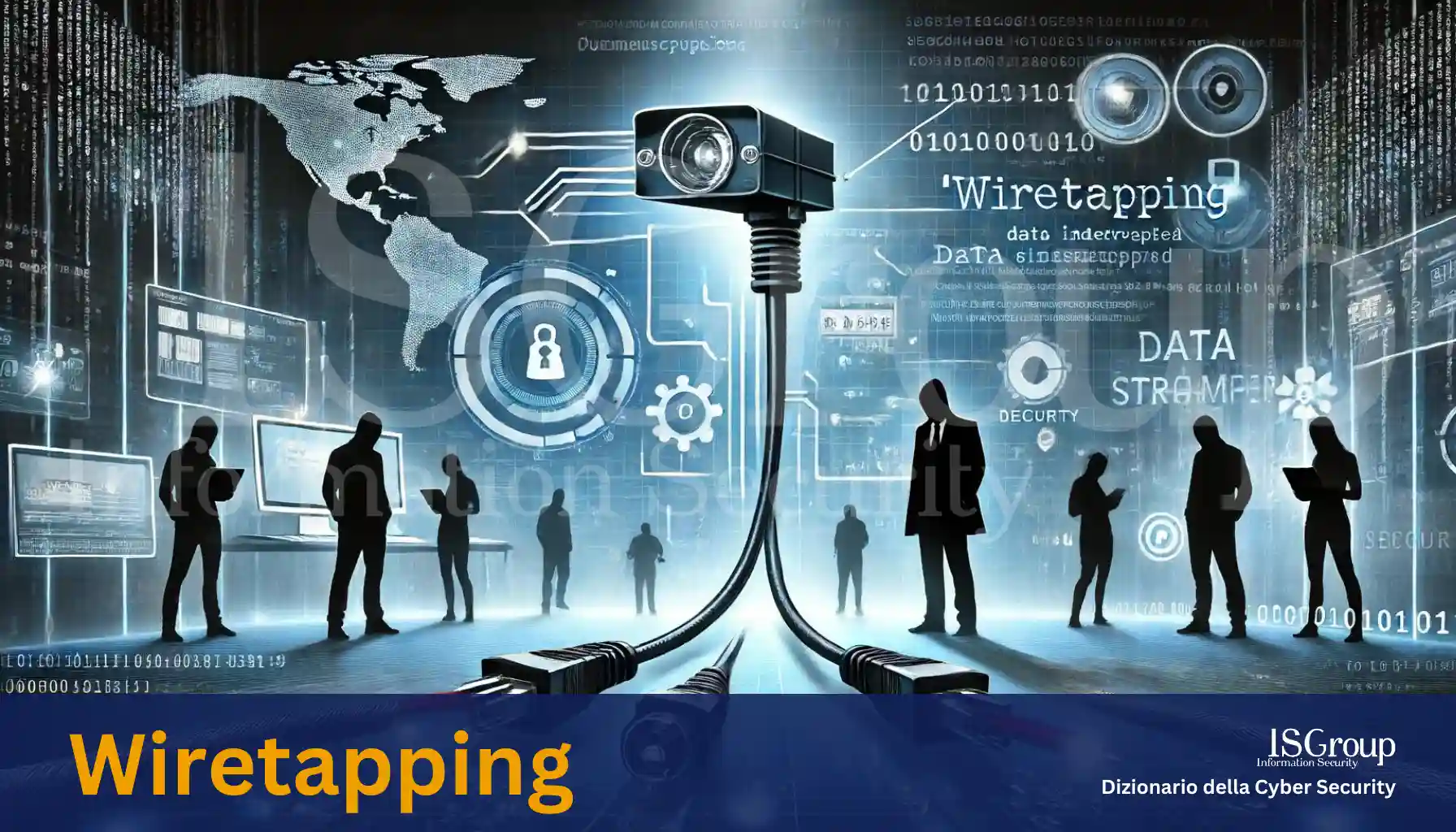
The term wiretapping refers to the process of monitoring and recording data flowing between two points within a communication system. This practice is commonly associated with the interception of telephone communications, but it can extend to any form of data transmission, including emails, text messages, and internet traffic.
History
The concept of wiretapping has origins that date back to the early days of telegraph and telephone communications. Over the years, the techniques and technologies used to intercept communications have evolved, moving from rudimentary physical methods to sophisticated digital systems.
Methods
There are several methods of wiretapping, which vary depending on the type of communication one wishes to intercept. Among the most common are:
- Telephone interception: Involves physically connecting to telephone lines or using electronic devices to capture voice conversations.
- Internet communication interception: Involves monitoring data traffic across computer networks. It can be achieved through surveillance software, network sniffers, or man-in-the-middle attacks.
- Radio communication interception: Primarily used to monitor wireless communications, such as those from mobile phones, walkie-talkies, or Wi-Fi networks.
Legislation and regulation
The legality of wiretapping varies significantly from one country to another and often requires specific authorization from judicial authorities. In many countries, interception without the consent of the parties involved is illegal and considered a violation of privacy.
In the United States, for example, wiretapping is regulated by Title III of the Omnibus Crime Control and Safe Streets Act of 1968 and the Foreign Intelligence Surveillance Act (FISA). In Italy, the interception of communications is governed by the Code of Criminal Procedure, which establishes the criteria and conditions for the authorization of interceptions.
Ethical and privacy implications
Wiretapping raises important ethical and privacy issues. On one hand, it is a powerful tool for law enforcement and intelligence agencies in the fight against crime and terrorism. On the other hand, the improper or excessive use of interceptions can lead to privacy violations and abuses of civil rights.
Conclusion
Wiretapping is a complex and controversial practice that requires a balance between security needs and the protection of individual rights. With the advancement of communication technologies, it is essential that laws and regulations continue to evolve to address new challenges and ensure the responsible and legitimate use of these surveillance techniques.
Want to give your company the highest level of cyber security? ISGroup SRL is here to help with cyber security solutions tailored to your business.
Would you like us to take care of everything for you? Our Virtual CISO and vulnerability management services are a perfect fit for your organization.
Already know what you need? Explore our services:
- Vulnerability Assessment
- Network Penetration Testing
- Web Application Penetration Testing
- Mobile Application Security Testing
- Ethical Hacking
- Training
And much more. Protect your company with the best cybersecurity experts!