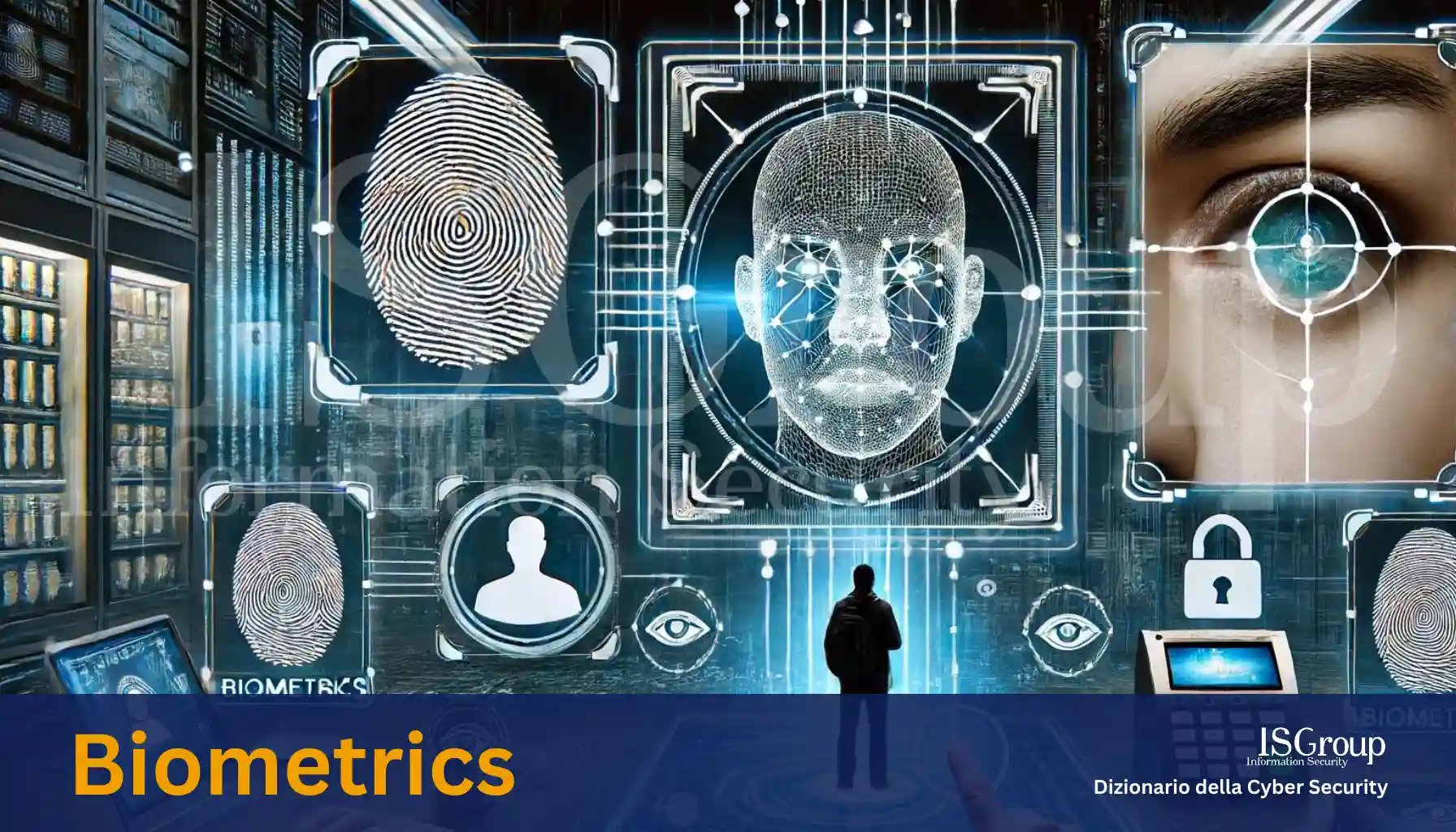
Biometrics is a technology that uses physical characteristics of users to determine access to systems, devices, or locations. This method of identification and authentication is becoming increasingly widespread due to its security and convenience. In this article, we will explore in detail what biometrics is, how it works, and what its main applications are.
What is Biometrics?
Biometrics is based on unique and unrepeatable characteristics of the human body to identify and verify a person’s identity. These characteristics can include fingerprints, facial recognition, iris scanning, voice recognition, and even hand geometry. The idea behind biometrics is that these features are difficult to duplicate or steal, making them a very secure method of authentication.
How Does Biometrics Work?
The biometric process typically takes place in two phases: enrollment and verification.
- Enrollment: During enrollment, the user’s biometric characteristics are captured and stored in a database. This can happen, for example, by scanning a fingerprint or capturing an image of the face. These data are then converted into a mathematical model that represents the user’s unique characteristics.
- Verification: During verification, the user’s biometric characteristics are captured again and compared with the mathematical model stored in the database. If the data matches, access is granted; otherwise, it is denied.
Applications of Biometrics
Biometrics is used in a wide range of applications, including:
- Cybersecurity: To protect access to computers, smartphones, and other electronic devices. For example, many modern smartphones use facial recognition or fingerprints to unlock the device.
- Access Control: To manage physical access to buildings, rooms, or restricted areas. This can include the use of fingerprint scanners or facial recognition systems in places like airports, offices, and military facilities.
- Financial Authentication: To protect financial transactions, such as withdrawing money from ATMs or accessing online banking services. Some banks are implementing biometrics to ensure that only authorized users can access their accounts.
- Healthcare: To ensure correct patient identification and control access to sensitive medical data. This can help prevent medical errors and protect patient privacy.
Advantages and Challenges of Biometrics
Advantages
- Security: Biometric characteristics are difficult to forge, making biometrics a very secure authentication method.
- Convenience: Users do not need to remember passwords or carry authentication devices. Access can be obtained simply with a scan of a finger or face.
- Speed: The biometric verification process is generally very fast, improving the efficiency of access controls.
Challenges
- Privacy: The collection and storage of biometric data raise concerns about privacy and data protection. It is essential to ensure that this data is stored securely and used in compliance with privacy regulations.
- Cost: Implementing biometric systems can be expensive, especially for small businesses or organizations.
- Recognition Errors: Although rare, recognition errors can occur, both false positives (authenticating an unauthorized person) and false negatives (rejecting an authorized person).
In conclusion, biometrics represents a significant advancement in security and access management, offering a secure and convenient authentication method. However, it is essential to address the challenges related to privacy and costs to ensure an effective and responsible implementation of this technology.
Want to give your company the highest level of cyber security? ISGroup SRL is here to help with cyber security solutions tailored to your business.
Would you like us to take care of everything for you? Our Virtual CISO and vulnerability management services are a perfect fit for your organization.
Already know what you need? Explore our services:
- Vulnerability Assessment
- Network Penetration Testing
- Web Application Penetration Testing
- Mobile Application Security Testing
- Ethical Hacking
- Training
And much more. Protect your company with the best cybersecurity experts!