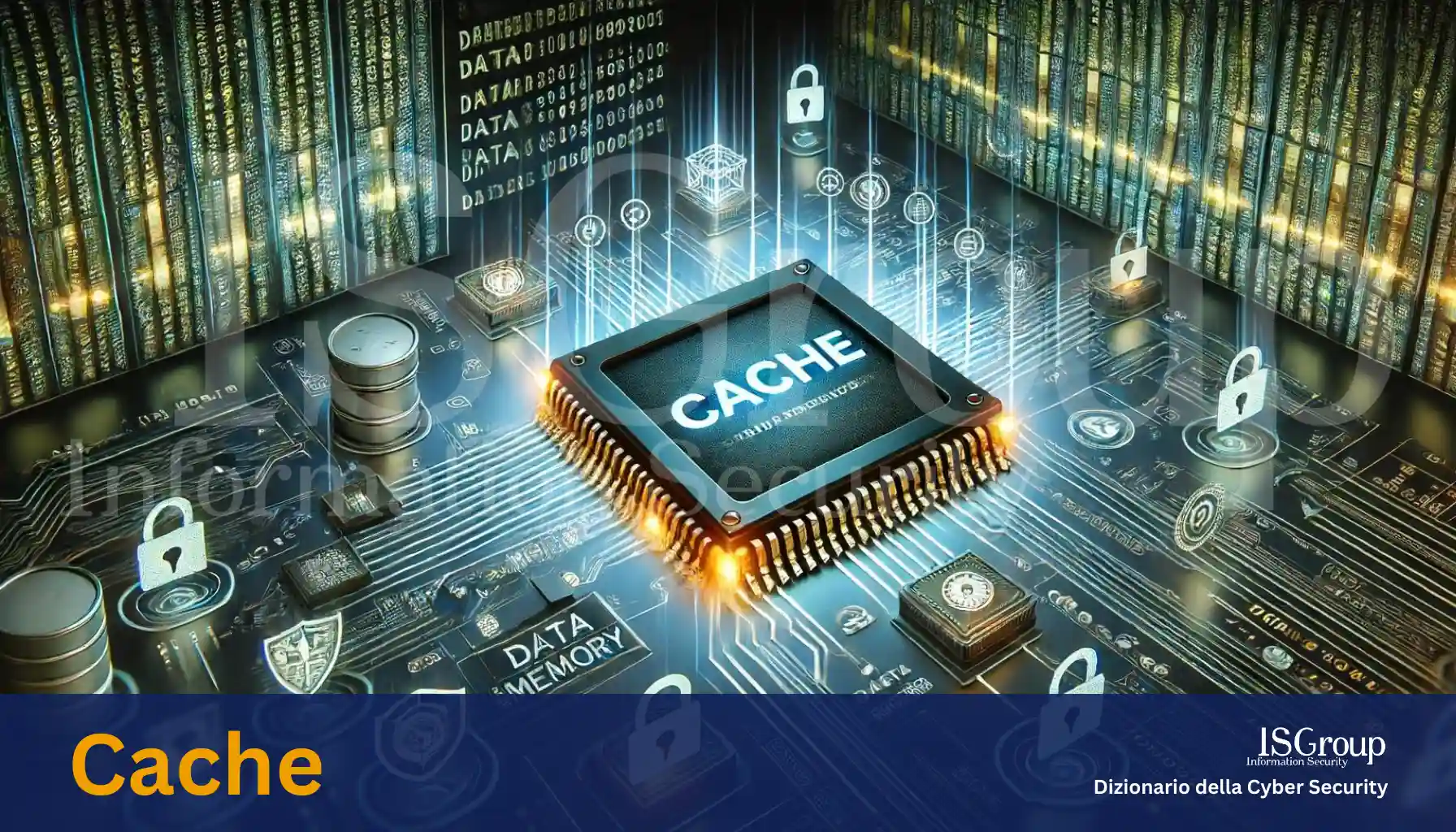
The cache, pronounced “cash,” is a special high-speed storage mechanism. It can be a reserved section of main memory or an independent, high-speed storage device. Two types of caching are commonly used in personal computers: memory cache and disk cache.
Memory Cache
Memory cache is a small amount of high-speed memory located between the CPU and main memory (RAM). Its primary purpose is to reduce the time required to access data frequently used by the CPU. When the CPU requests data, the system first checks if that data is present in the memory cache. If it is, the data can be retrieved much faster than retrieving it from RAM. This process is known as a “cache hit.” If the data is not in the cache, a “cache miss” occurs, and the data must be retrieved from main memory, which takes more time.
Disk Cache
Disk cache, on the other hand, is a portion of high-speed memory used to store data that is read from or written to a hard drive. The operating system uses this cache to improve disk access performance. When data is read from the disk, it is also copied into the disk cache. If the data is needed again, it can be read from the cache rather than the disk, significantly speeding up the operation. Similarly, when data is written to a disk, it can be temporarily stored in the disk cache before being physically written to the disk, allowing for more efficient write operations.
Importance of Cache
Cache is fundamental for improving the overall performance of a computer system. Without it, the CPU and other components would have to wait much longer to access necessary data, slowing down the entire system. Thanks to the cache, common operations can be performed faster, improving system efficiency and responsiveness.
In summary, the cache is an essential component in modern computers, designed to speed up data access and improve overall system performance. With the increase in the size and complexity of data that systems must handle, the role of the cache is becoming increasingly crucial.
Want to give your company the highest level of cyber security? ISGroup SRL is here to help with cyber security solutions tailored to your business.
Would you like us to take care of everything for you? Our Virtual CISO and vulnerability management services are a perfect fit for your organization.
Already know what you need? Explore our services:
- Vulnerability Assessment
- Network Penetration Testing
- Web Application Penetration Testing
- Mobile Application Security Testing
- Ethical Hacking
- Training
And much more. Protect your company with the best cybersecurity experts!