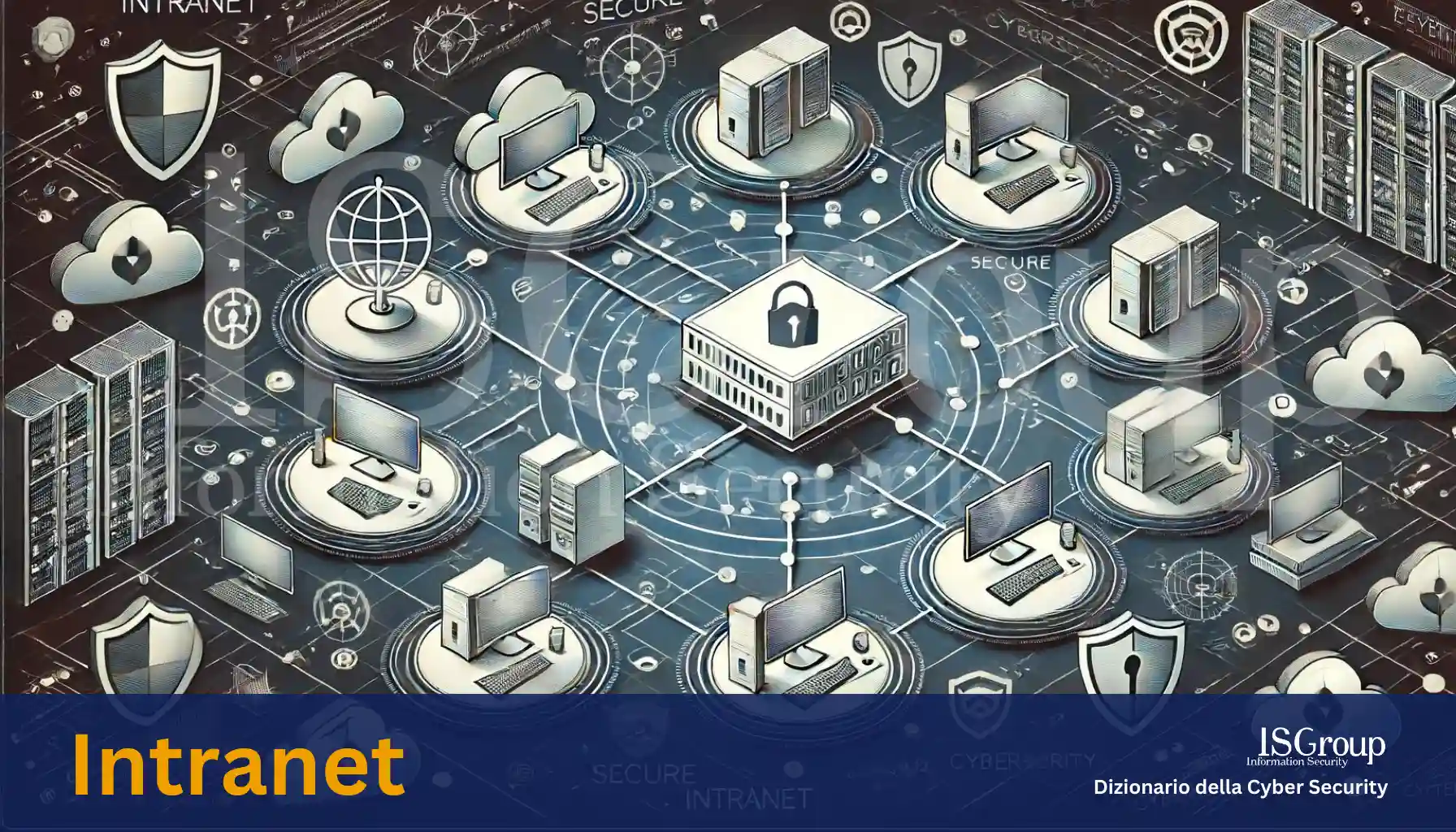
An intranet is a computer network used by an organization for internal and private purposes. Based on Internet technology, this network is closed to outsiders and accessible only to authorized members of the organization. Unlike the Internet, which is a public and global network, an intranet is designed to serve specific communication and collaboration needs within a company, government agency, or any other organization.
Components of an Intranet
Intranets typically include various components that support information sharing and collaboration:
- Server: The heart of the intranet, where data and applications accessible to users are stored.
- Client: The users’ computers that access the intranet via a web browser.
- Network: The physical and logical connection between servers and clients, often consisting of Ethernet cables, Wi-Fi networks, or other local area network (LAN) technologies.
- Applications: Software and tools available on the intranet, such as email, document management systems, shared calendars, and collaboration platforms.
Benefits of an Intranet
Implementing an intranet offers numerous benefits to organizations:
- Efficient Communication: It allows for fast and efficient communication between employees, reducing the need for face-to-face meetings and phone calls.
- Information Sharing: It facilitates the sharing of documents, data, and knowledge, improving collaboration between teams and departments.
- Security: Being closed to outsiders, the intranet provides a secure environment for exchanging sensitive and confidential information.
- Accessibility: Employees can access organizational resources from anywhere, provided they are authorized and have a connection to the corporate network.
- Operational Efficiency: It automates and optimizes many business processes, reducing costs and increasing productivity.
Typical Use of an Intranet
Intranets are used in various ways within organizations:
- Intranet Portals: Centralized platforms where employees can find company news, announcements, and useful resources.
- Document Management: Systems that allow for the creation, storage, search, and sharing of corporate documents.
- Training and Development: Platforms for e-learning and continuous employee training.
- Collaboration: Tools that support team collaboration, such as forums, chats, and shared workspaces.
- Project Management: Applications that help plan, track, and manage projects.
Implementation and Maintenance
Implementing an intranet requires careful planning and the involvement of various stakeholders in the organization. It is essential to:
- Define Goals and Requirements: Clearly establish the objectives of the intranet and the functional and technical requirements.
- Select Technologies: Choose the platforms and technologies best suited to the organization’s needs.
- Development and Configuration: Build and configure the intranet, ensuring it is user-friendly and secure.
- User Training: Train employees on how to use the intranet to ensure rapid adoption.
- Continuous Maintenance: Monitor and update the intranet regularly to keep it secure and functional.
Conclusion
An intranet is a powerful tool that, if well-designed and managed, can transform the way an organization operates and communicates internally. By leveraging Internet technology, intranets provide a secure and efficient platform for collaboration, information sharing, and business process management, thereby contributing to the overall success of the organization.
Want to give your company the highest level of cyber security? ISGroup SRL is here to help with cyber security solutions tailored to your business.
Would you like us to take care of everything for you? Our Virtual CISO and vulnerability management services are a perfect fit for your organization.
Already know what you need? Explore our services:
- Vulnerability Assessment
- Network Penetration Testing
- Web Application Penetration Testing
- Mobile Application Security Testing
- Ethical Hacking
- Training
And much more. Protect your company with the best cybersecurity experts!