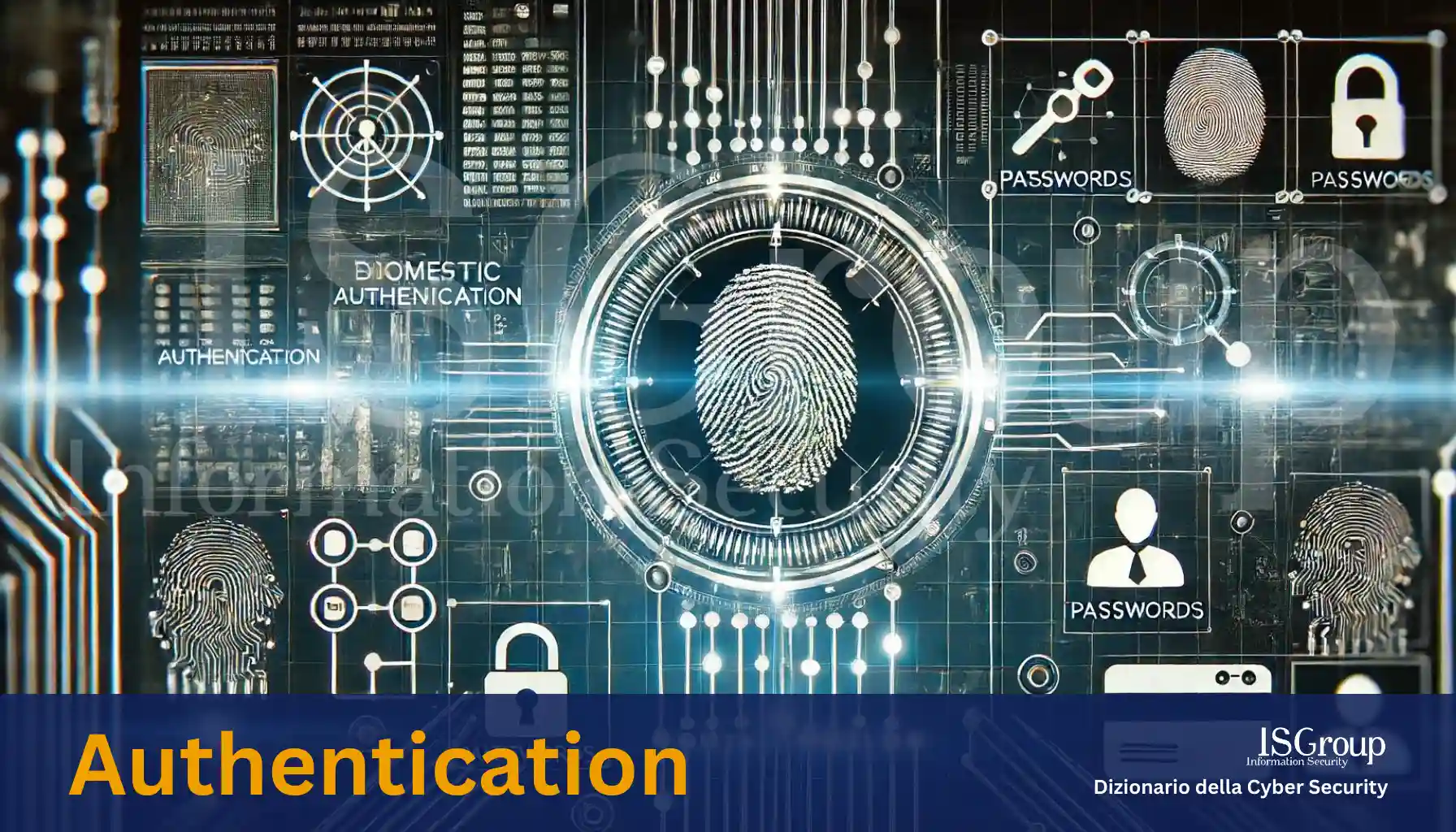
Authentication is the process of confirming the correctness of a declared identity. In a digital context, authentication is fundamental to ensuring that the user or system attempting to access a resource is indeed who they claim to be. This process is crucial for information security and the protection of sensitive data.
Types of Authentication
There are various authentication methods, each with its own advantages and security levels. The main ones are listed below:
- Passwords: The most common authentication method, where the user must enter a password that matches the registered identity. Although simple to implement, security depends on the complexity of the password and the secure management of these credentials.
- Two-Factor Authentication (2FA): Adds an extra layer of security by requiring two different types of identification. It usually combines something the user knows (like a password) with something the user possesses (like a smartphone to receive a code).
- Biometrics: Uses unique physical or behavioral characteristics of the user, such as fingerprints, facial recognition, or iris scanning. This method offers a high level of security but can be expensive and complex to implement.
- Security Tokens: Physical or digital devices that generate temporary access codes. These tokens can be hardware-based, such as USB keys, or software-based, such as authentication applications.
- Certificate-Based Authentication: Uses digital certificates to verify the user’s identity. This method is common in secure Internet communications, such as the use of HTTPS.
Importance of Authentication
Authentication is a key element of cybersecurity. Without proper authentication, systems are vulnerable to unauthorized access, which can lead to data theft, loss of sensitive information, and other malicious attacks. Ensuring that only authorized users can access specific resources helps protect the integrity, confidentiality, and availability of information.
Challenges in Authentication
Despite the numerous methods available, authentication presents several challenges:
- Usability vs. Security: Highly secure methods can be complicated for the average user to use, creating a difficult balance between usability and security.
- Password Management: Users often create weak passwords or use the same password for multiple services, increasing the risk of compromise.
- Evolving Threats: Authentication methods must constantly evolve to counter new threats and attack techniques.
Conclusion
Authentication is an essential component of cybersecurity, fundamental for protecting digital resources from unauthorized access. Implementing robust authentication methods and staying updated on best practices and emerging technologies is crucial for maintaining a secure digital environment.
Want to give your company the highest level of cyber security? ISGroup SRL is here to help with cyber security solutions tailored to your business.
Would you like us to take care of everything for you? Our Virtual CISO and vulnerability management services are a perfect fit for your organization.
Already know what you need? Explore our services:
- Vulnerability Assessment
- Network Penetration Testing
- Web Application Penetration Testing
- Mobile Application Security Testing
- Ethical Hacking
- Training
And much more. Protect your company with the best cybersecurity experts!