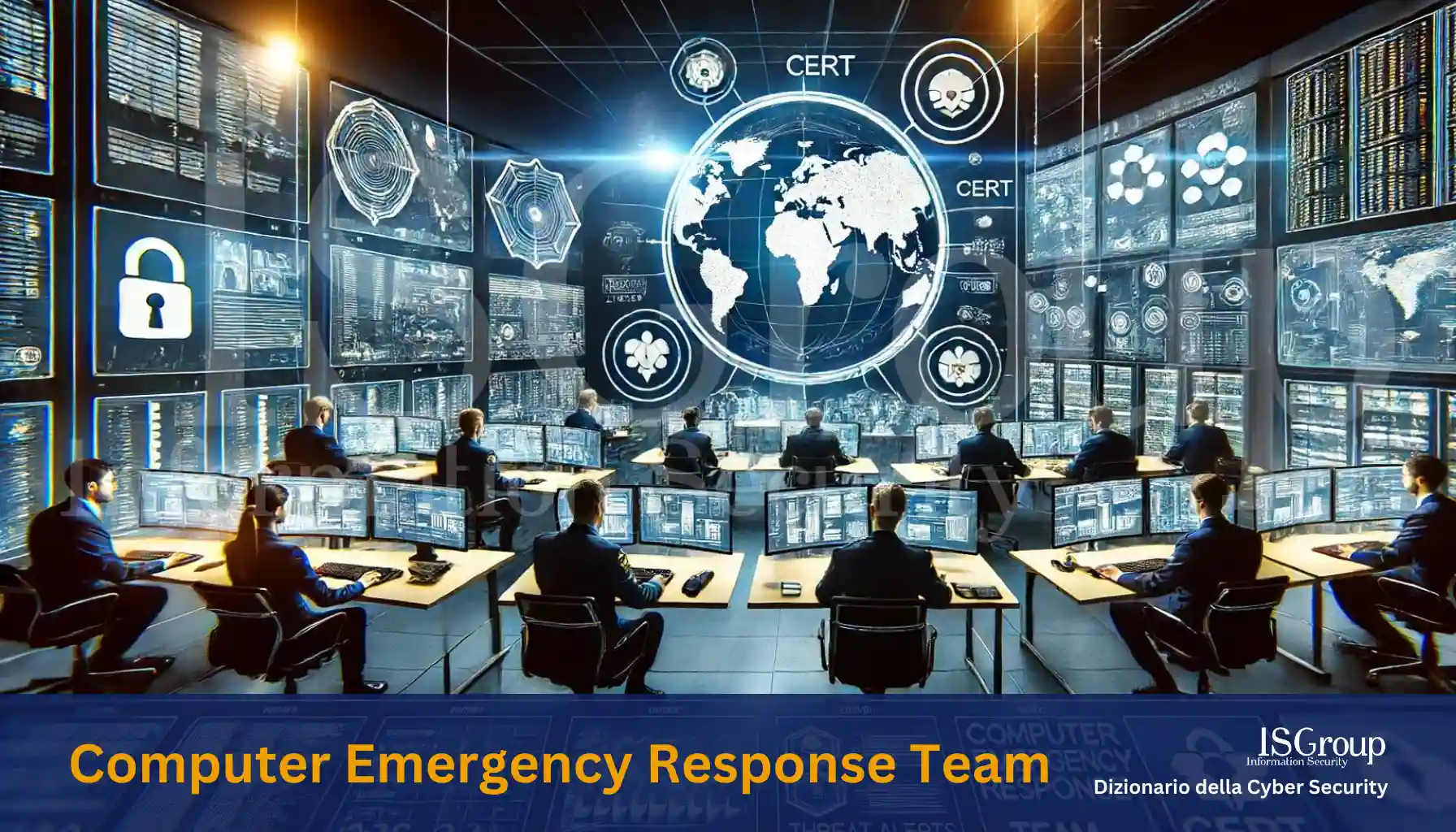
The Computer Emergency Response Team (CERT) is an organization specialized in the study of information security (INFOSEC) and networks, with the goal of providing incident response services to victims of cyberattacks, publishing advisories regarding vulnerabilities and threats, and offering other information useful for improving the security of computers and networks.
History and Mission
The concept of CERT was born in the late 1980s, in response to the growing need to address emerging cyber threats. The primary mission of a CERT is to protect critical infrastructure and sensitive information, contributing to the creation of a more secure digital environment.
Key Services
A CERT offers a range of key services that include:
- Incident Response: Provides immediate assistance to organizations that are victims of cyberattacks, helping them to contain and mitigate the impact of the incident.
- Publication of Advisories and Alerts: Issues communications regarding new vulnerabilities and threats, promptly notifying organizations and the public of potential risks.
- Analysis and Research: Conducts in-depth studies on new attack techniques and vulnerabilities, developing countermeasures and improving security practices.
- Consulting and Training: Offers tailored consulting and training programs to help organizations strengthen their cybersecurity.
Importance of a CERT
The presence of a CERT within a nation, a company, or a critical sector represents an essential component for cyber resilience. CERTs act as points of reference for coordinating the response to large-scale incidents, facilitating collaboration between different entities and promoting the sharing of information.
Conclusion
The CERT is a fundamental resource in the protection of modern digital infrastructure. Through their proactive and reactive actions, CERTs help to prevent and manage cybersecurity incidents, contributing to a safer and more reliable cyberspace.
Want to give your company the highest level of cyber security? ISGroup SRL is here to help with cyber security solutions tailored to your business.
Would you like us to take care of everything for you? Our Virtual CISO and vulnerability management services are a perfect fit for your organization.
Already know what you need? Explore our services:
- Vulnerability Assessment
- Network Penetration Testing
- Web Application Penetration Testing
- Mobile Application Security Testing
- Ethical Hacking
- Training
And much more. Protect your company with the best cybersecurity experts!