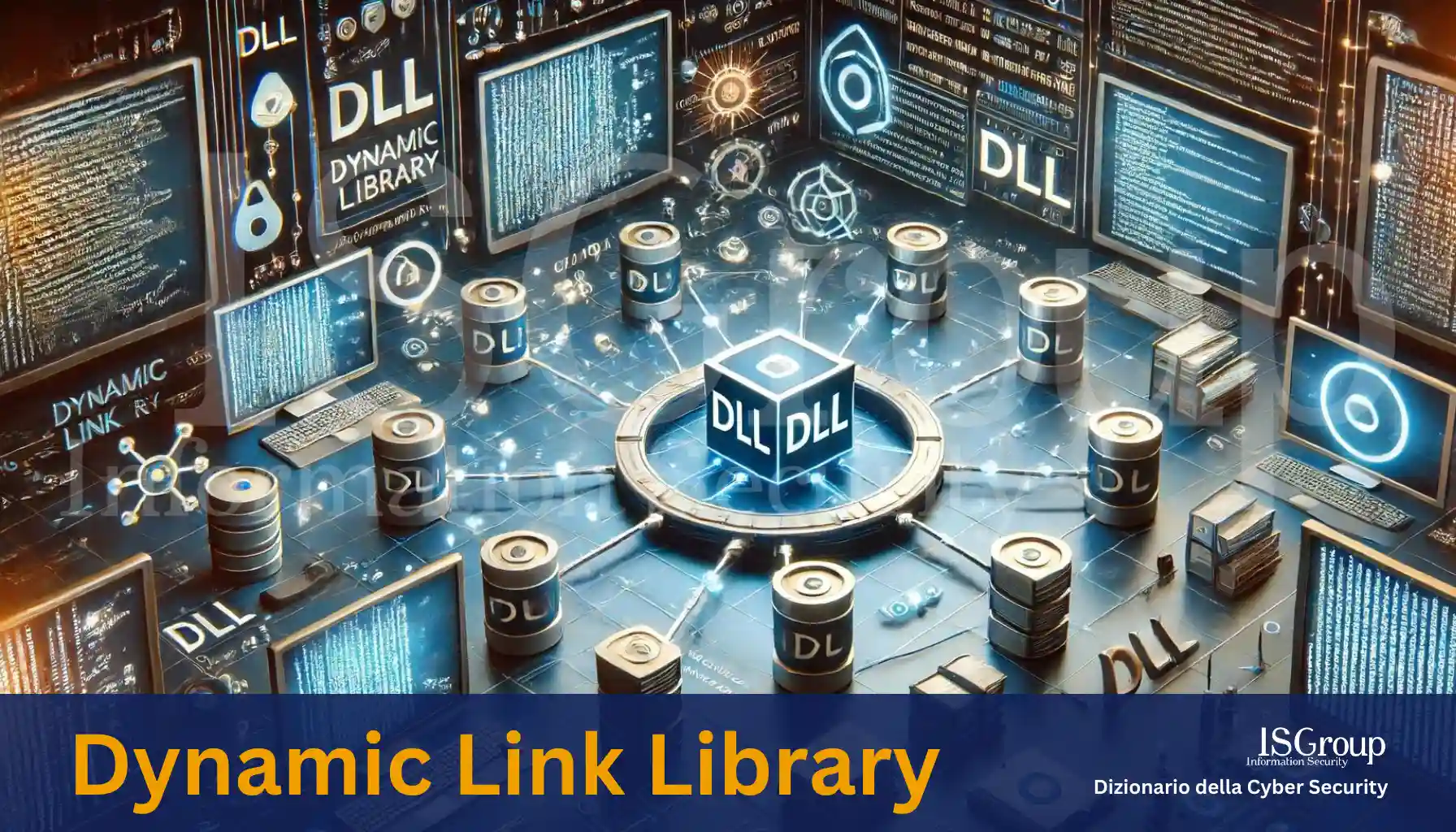
A Dynamic Link Library, commonly known as a DLL, is a collection of small programs that can be called upon when needed by a larger program running on the computer. DLLs are essential for the efficient operation of the operating system and software applications, as they allow for the sharing of code and resources among multiple programs, reducing redundancy and optimizing memory usage.
Key Features of DLLs
- Modularity: A DLL allows a large program to be broken down into smaller, manageable modules. Each module (DLL) can be developed, tested, and maintained independently, simplifying the software development process.
- Code Reusability: The functions contained in a DLL can be reused by different programs, eliminating the need to duplicate the same code across multiple applications. This promotes software maintenance and updates, as a change in a DLL is automatically reflected in all programs that use it.
- Simplified Updates: DLLs can be updated without having to recompile or redistribute the entire program. This is particularly useful for fixing bugs or improving features without interrupting the operation of the main software.
How DLLs Work
When a running program needs a specific feature, it can call a function contained in a DLL. This occurs through a process called “dynamic linking,” which allows the program to load and use the DLL only when necessary, thereby optimizing system resources.
For example, a word processing program might use a DLL to handle communication with a printer. Instead of including the code necessary to interact with every possible printer model directly in the program, the program relies on a specific DLL for the printer model in use. This DLL contains all the instructions needed for printing, allowing the main program to remain lean and versatile.
Advantages of Using DLLs
- Efficiency: DLLs reduce memory consumption and improve system performance, as resources are shared among multiple programs.
- Flexibility: Programmers can update or modify DLLs without affecting the rest of the application, facilitating software management.
- Compatibility: DLLs allow for compatibility between different versions of software. A program can work with different versions of a DLL, automatically adapting to new features or bug fixes.
- Simplified Maintenance: Code maintenance is easier, as updates can be made centrally in the DLL without having to modify every single application that uses it.
In conclusion, Dynamic Link Libraries are a crucial component in modern software architecture, offering modularity, reusability, and improvements in software performance and maintenance. Thanks to DLLs, programs can be lighter, more efficient, and easier to manage, representing an elegant and powerful solution for managing software resources and functionality.
Want to give your company the highest level of cyber security? ISGroup SRL is here to help with cyber security solutions tailored to your business.
Would you like us to take care of everything for you? Our Virtual CISO and vulnerability management services are a perfect fit for your organization.
Already know what you need? Explore our services:
- Vulnerability Assessment
- Network Penetration Testing
- Web Application Penetration Testing
- Mobile Application Security Testing
- Ethical Hacking
- Training
And much more. Protect your company with the best cybersecurity experts!