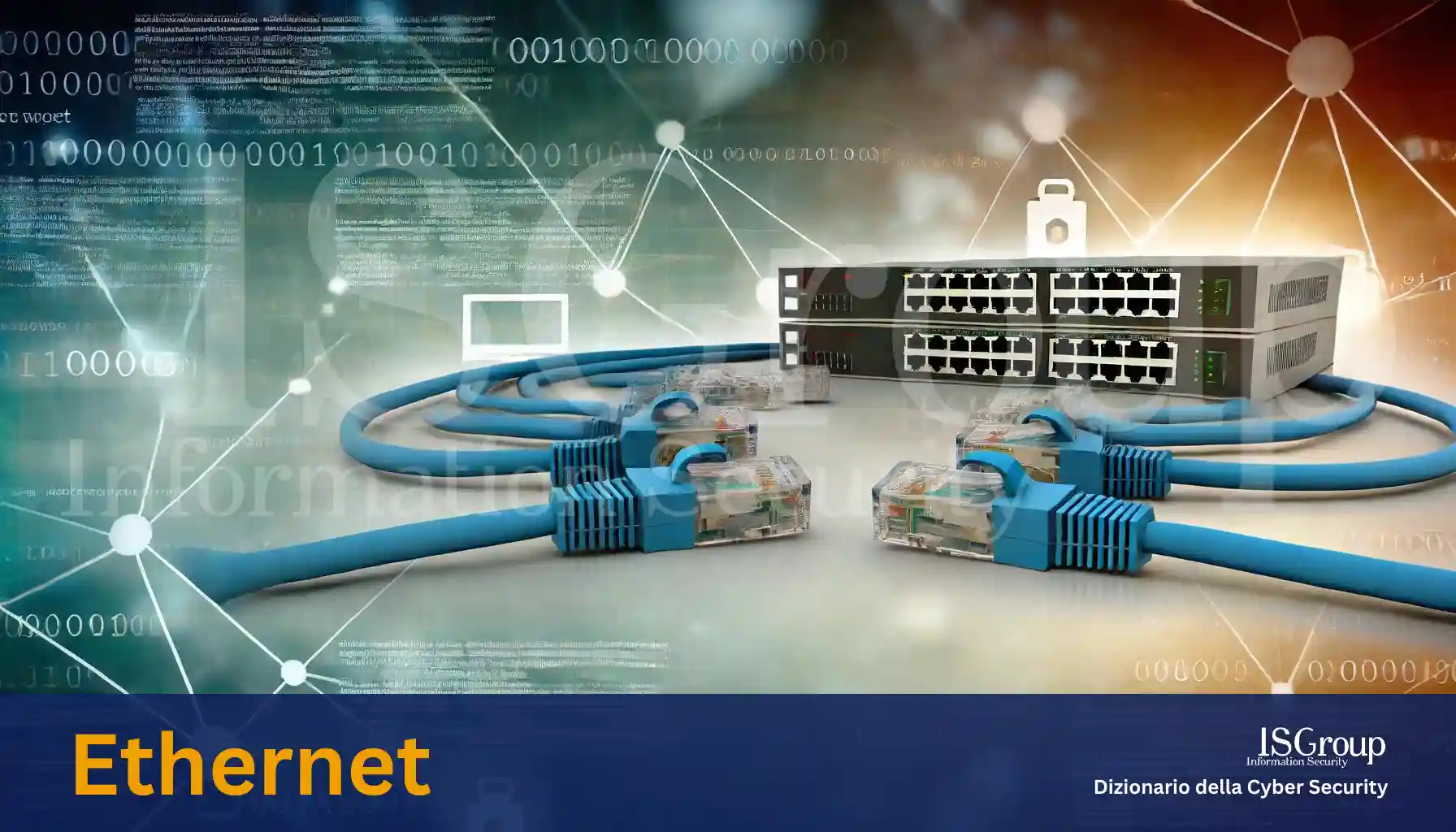
Ethernet is the most widely used local area network (LAN) technology in the world. Defined by a standard known as IEEE 802.3, Ethernet represents a fundamental solution for connecting and communicating between devices in a local network.
Technical Characteristics
Ethernet commonly uses coaxial cables or specific types of twisted pair cables to connect devices. In a typical configuration, connected devices compete for access to the communication cable through a protocol called CSMA/CD (Carrier Sense Multiple Access with Collision Detection).
The CSMA/CD Protocol
The CSMA/CD protocol is essential for the operation of Ethernet. Here is how it works in summary:
- Carrier Sense: Each device checks for the presence of traffic on the network before attempting to transmit data.
- Multiple Access: All devices have equal rights to access the communication medium.
- Collision Detection: If two devices attempt to transmit simultaneously, a collision occurs. Both devices stop transmitting, wait for a random amount of time, and then retry.
Advantages of Ethernet
- Reliability: Ethernet is known for its stability and reliability in network communications.
- Scalability: It is easily scalable, allowing for the addition of new devices without compromising performance.
- Cost-effective: Thanks to its widespread adoption, Ethernet components are generally inexpensive and easily available.
Cable Types
- Coaxial Cable: Used in the early days of Ethernet, now less common.
- Twisted Pair Cable: Category 5 (Cat5), Category 5e (Cat5e), Category 6 (Cat6), and higher are the most common standards for Ethernet networks today.
- Fiber Optic: Used for long-distance and high-speed connections, particularly in large networks and backbones.
Evolution of Ethernet
Since its introduction, Ethernet has undergone numerous evolutions, constantly improving transmission speed and the ability to handle large volumes of data. The most modern variants include Fast Ethernet (100 Mbps), Gigabit Ethernet (1 Gbps), 10 Gigabit Ethernet (10 Gbps), and even faster versions for specialized applications.
Ethernet Applications
Ethernet is ubiquitous in corporate, home, and even industrial networks. It is the backbone of modern network communications, making it possible to share resources, communicate between devices, and access the internet efficiently and reliably.
In conclusion, Ethernet continues to be a crucial technology for local networks, thanks to its reliability, cost-effectiveness, and ability to evolve with the growing needs of modern communications.
Want to give your company the highest level of cyber security? ISGroup SRL is here to help with cyber security solutions tailored to your business.
Would you like us to take care of everything for you? Our Virtual CISO and vulnerability management services are a perfect fit for your organization.
Already know what you need? Explore our services:
- Vulnerability Assessment
- Network Penetration Testing
- Web Application Penetration Testing
- Mobile Application Security Testing
- Ethical Hacking
- Training
And much more. Protect your company with the best cybersecurity experts!