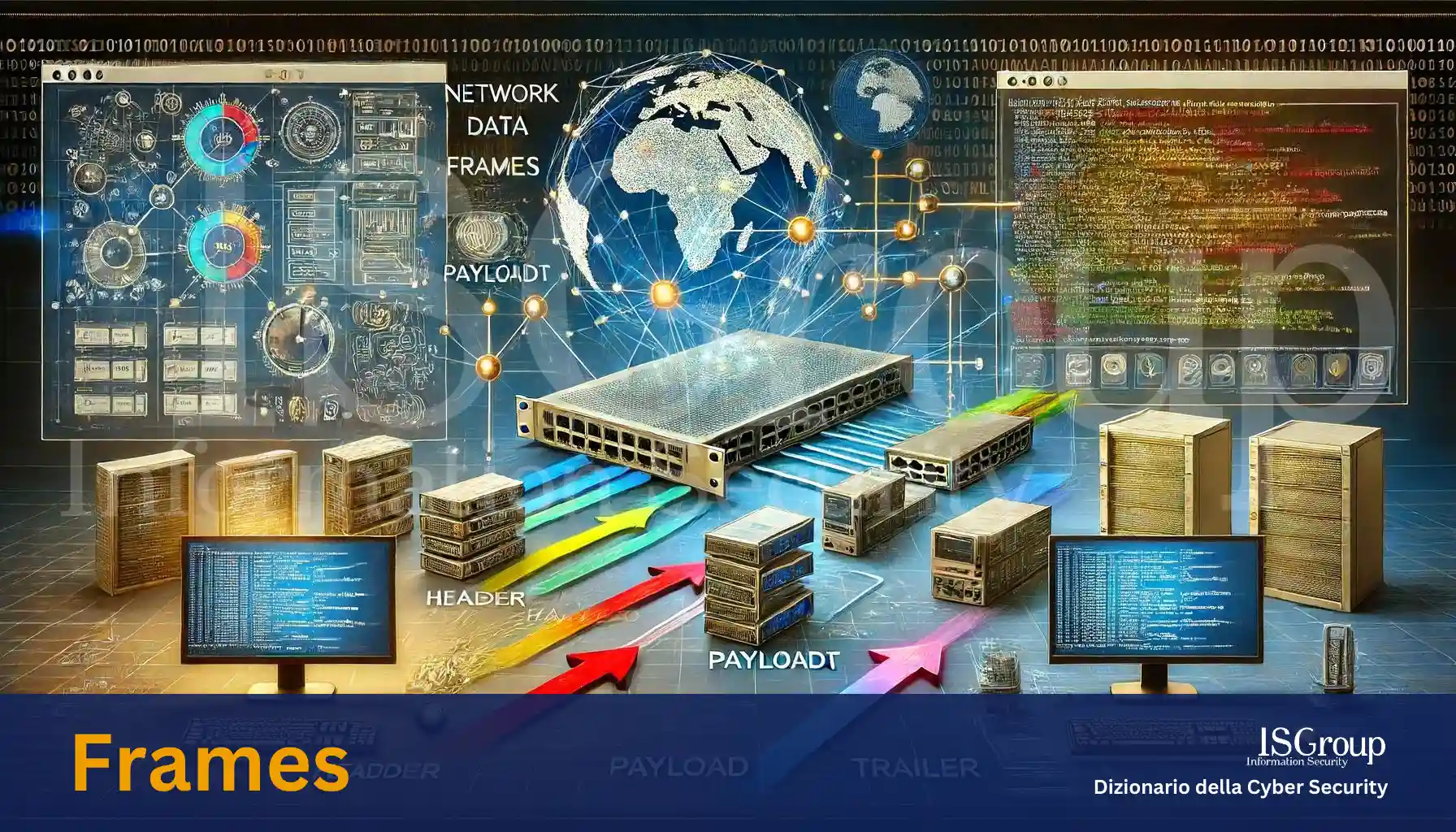
Frames represent the basic unit of data transmission between points in a network. This data is transmitted as a complete unit, including addressing information and the necessary protocol control information.
Structure of a Frame
A frame is usually transmitted serially, bit by bit, and includes two main fields: the header field and the trailer field, which “frame” the data. Some control frames may not contain actual data.
Header Field
The header field contains crucial information for the management and correct routing of the frame across the network. This information may include:
- Destination address: Specifies where the data should be sent.
- Source address: Indicates where the data originated.
- Protocol type: Identifies the type of protocol used in the transmission.
Trailer Field
The final field, or trailer, generally contains information for error checking. A common example is the Frame Check Sequence (FCS) field, which helps verify the integrity of the transmitted data.
Functionality
When a frame is transmitted, the bits are sent in sequence one after the other. This process continues until the entire frame has been transmitted to the destination point. Once received, the frame is processed: the addressing and protocol control information contained in the header and trailer fields are used to ensure that the data correctly reaches its destination and is free of errors.
Types of Frames
There are different types of frames, depending on the network protocol used. Some examples include:
- Ethernet Frame: Used in local area networks (LANs) and defined by the IEEE 802.3 standard.
- Frame Relay: Used in packet-switched networks, particularly in WAN connections.
- HDLC Frame: Used in synchronous lines for serial data transmission.
Importance of Frames
Frames are fundamental to the operation of communication networks. Without them, the transmission and management of data over a network would be inefficient and unreliable. They ensure that data is sent and received in an orderly manner and that any transmission errors can be detected and corrected.
Conclusion
In summary, frames constitute the basic element for data transmission in networks. Their structure and functionality ensure that data can be transmitted efficiently, securely, and error-free between various points in a network. Understanding frames and their role in network communications is essential for anyone working in the field of information and communication technologies.
Want to give your company the highest level of cyber security? ISGroup SRL is here to help with cyber security solutions tailored to your business.
Would you like us to take care of everything for you? Our Virtual CISO and vulnerability management services are a perfect fit for your organization.
Already know what you need? Explore our services:
- Vulnerability Assessment
- Network Penetration Testing
- Web Application Penetration Testing
- Mobile Application Security Testing
- Ethical Hacking
- Training
And much more. Protect your company with the best cybersecurity experts!