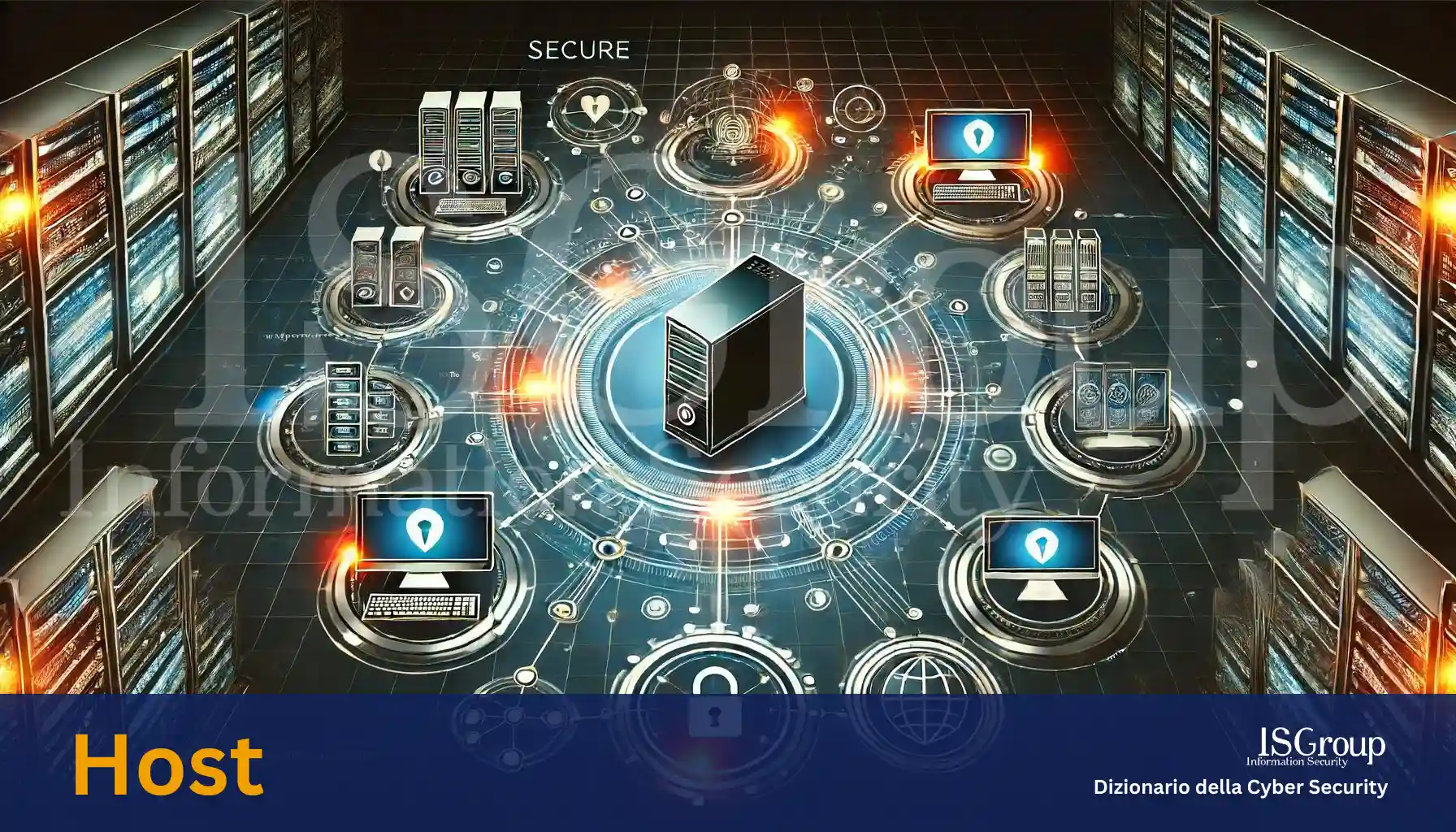
A host is a computer that has full bidirectional access to other computers on the Internet. It can also refer to a computer with a web server that hosts the pages of one or more websites.
Detailed Description:
In the context of computer networks and the Internet, the term “host” refers to any device, primarily computers, connected to a network that has the ability to communicate with other devices on the network. This communication can be both incoming and outgoing, meaning a host can receive and send data to other devices.
Types of Hosts:
- Local Host: A device that is part of a local area network (LAN) and can communicate with other devices within the same network.
- Remote Host: Refers to a device located in a different geographical location that can be reached through a public network such as the Internet.
Host as a Web Server:
When discussing a host in relation to a web server, it refers to a computer running web server software (such as Apache, Nginx, or IIS) that serves web content to users. These web servers host the HTML pages, images, videos, and other content that make up websites. Every website needs to be hosted on a web server, and the computer running this server is the host.
Main Functions of a Host:
- Hosting Websites: A host can manage one or more websites, serving their pages to users who request them via their browsers.
- Data Storage: Hosts can act as repositories for data and applications, allowing users to access and download files.
- Running Applications: Hosts can run server-side applications, such as databases, content management software, e-commerce platforms, and more.
Importance of a Host:
Hosts are fundamental to the operation of the Internet and corporate networks. Without hosts, it would not be possible to have websites, online services, or communication between devices on a network. They represent the central nodes through which information is transmitted and received.
Host Security:
Because hosts are essential for connectivity and communication, it is crucial to protect them from threats such as malware, DDoS attacks, and unauthorized access. Security measures include the use of firewalls, antivirus software, data encryption, and secure password management practices.
In summary, a host is a key component of any computer network, essential for the provision of web services and communication between devices. The management and security of hosts are fundamental to ensuring the efficient and secure operation of networks.
Want to give your company the highest level of cyber security? ISGroup SRL is here to help with cyber security solutions tailored to your business.
Would you like us to take care of everything for you? Our Virtual CISO and vulnerability management services are a perfect fit for your organization.
Already know what you need? Explore our services:
- Vulnerability Assessment
- Network Penetration Testing
- Web Application Penetration Testing
- Mobile Application Security Testing
- Ethical Hacking
- Training
And much more. Protect your company with the best cybersecurity experts!