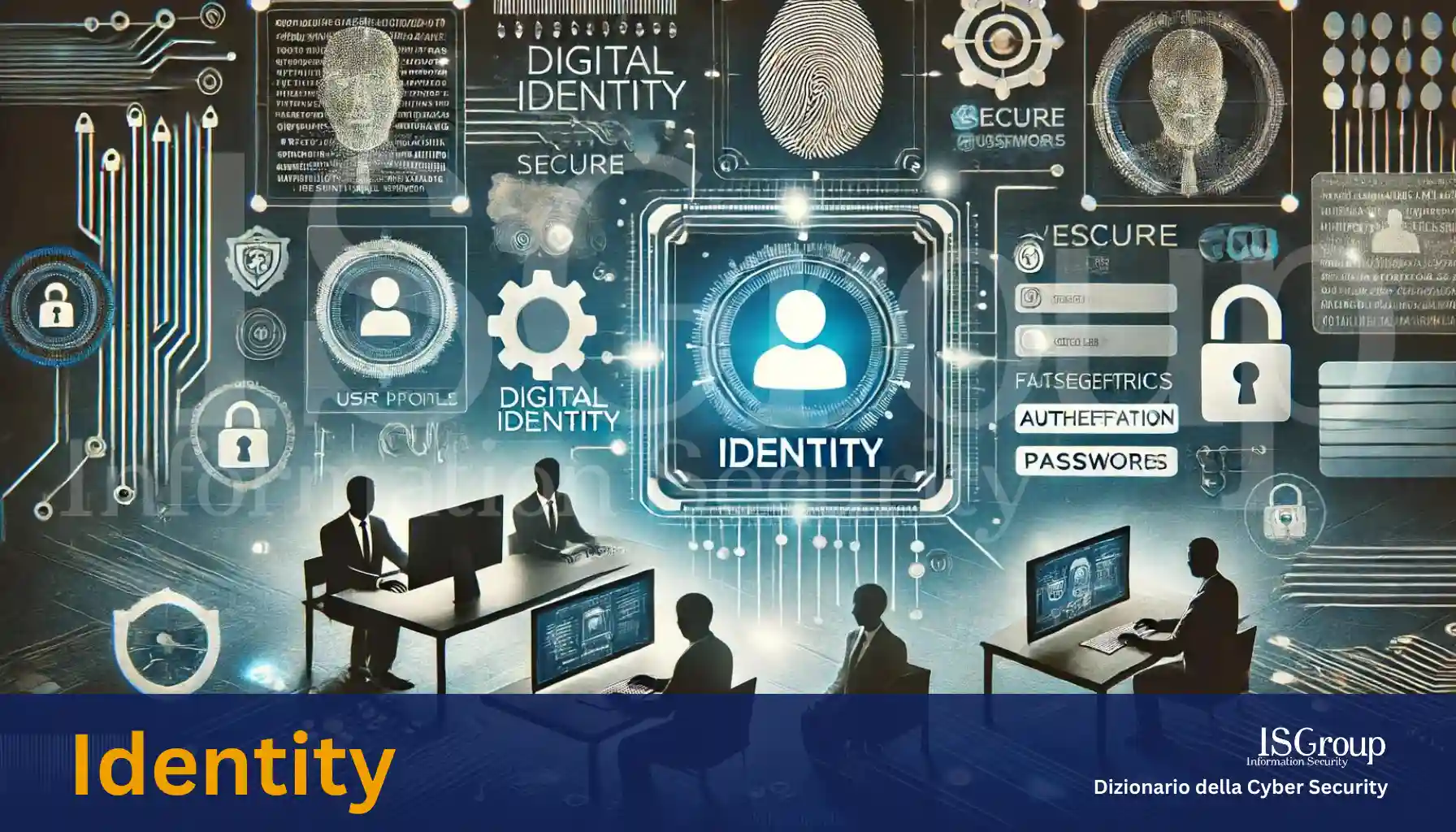
Identity is what defines who a person is or what something represents, for example, the name by which something is known.
Key aspects of identity:
- Personal identity:
- Personal identity concerns who we are as individuals. It includes aspects such as our name, our personal history, our experiences, and the unique characteristics that distinguish us from others.
- Elements such as beliefs, values, and personal preferences contribute to forming personal identity.
- Personal identity is dynamic and can evolve over time through new experiences and reflections.
- Social identity:
- Social identity refers to how we identify ourselves within social groups. This can include belonging to a nation, a culture, a religion, or a group of friends.
- Social identity is influenced by external factors and interactions with other individuals within society.
- Often, social identity is linked to social roles and collective expectations.
- Cultural identity:
- Cultural identity is linked to the traditions, languages, customs, and practices that characterize a group of people.
- It also includes the art, music, cuisine, and stories that are unique to a specific culture.
- Globalization has led to greater cultural mixing, thus influencing the cultural identity of many individuals.
- Digital identity:
- In the modern era, digital identity has become a crucial component. It refers to how we present ourselves and interact in the virtual world.
- It includes social media accounts, emails, digital signatures, and any other form of virtual representation of ourselves.
- Managing one’s digital identity is essential for protecting privacy and maintaining online security.
- Gender and sexual identity:
- Gender identity refers to one’s personal and internal perception of oneself as a man, woman, both, neither, or other. It may align with or differ from the sex assigned at birth.
- Sexual identity concerns a person’s orientation and attractions toward other individuals.
Importance of identity: Identity is fundamental to the construction of our self-perception and how we relate to the world. It provides a sense of continuity and coherence in our lives, helping us understand our place in society and navigate the various challenges and opportunities we encounter.
Conclusion: Identity is a complex and multifaceted concept, encompassing personal, social, cultural, digital, and gender aspects. Understanding and respecting the various dimensions of identity is essential for promoting diversity, inclusion, and individual and collective well-being.
Want to give your company the highest level of cyber security? ISGroup SRL is here to help with cyber security solutions tailored to your business.
Would you like us to take care of everything for you? Our Virtual CISO and vulnerability management services are a perfect fit for your organization.
Already know what you need? Explore our services:
- Vulnerability Assessment
- Network Penetration Testing
- Web Application Penetration Testing
- Mobile Application Security Testing
- Ethical Hacking
- Training
And much more. Protect your company with the best cybersecurity experts!