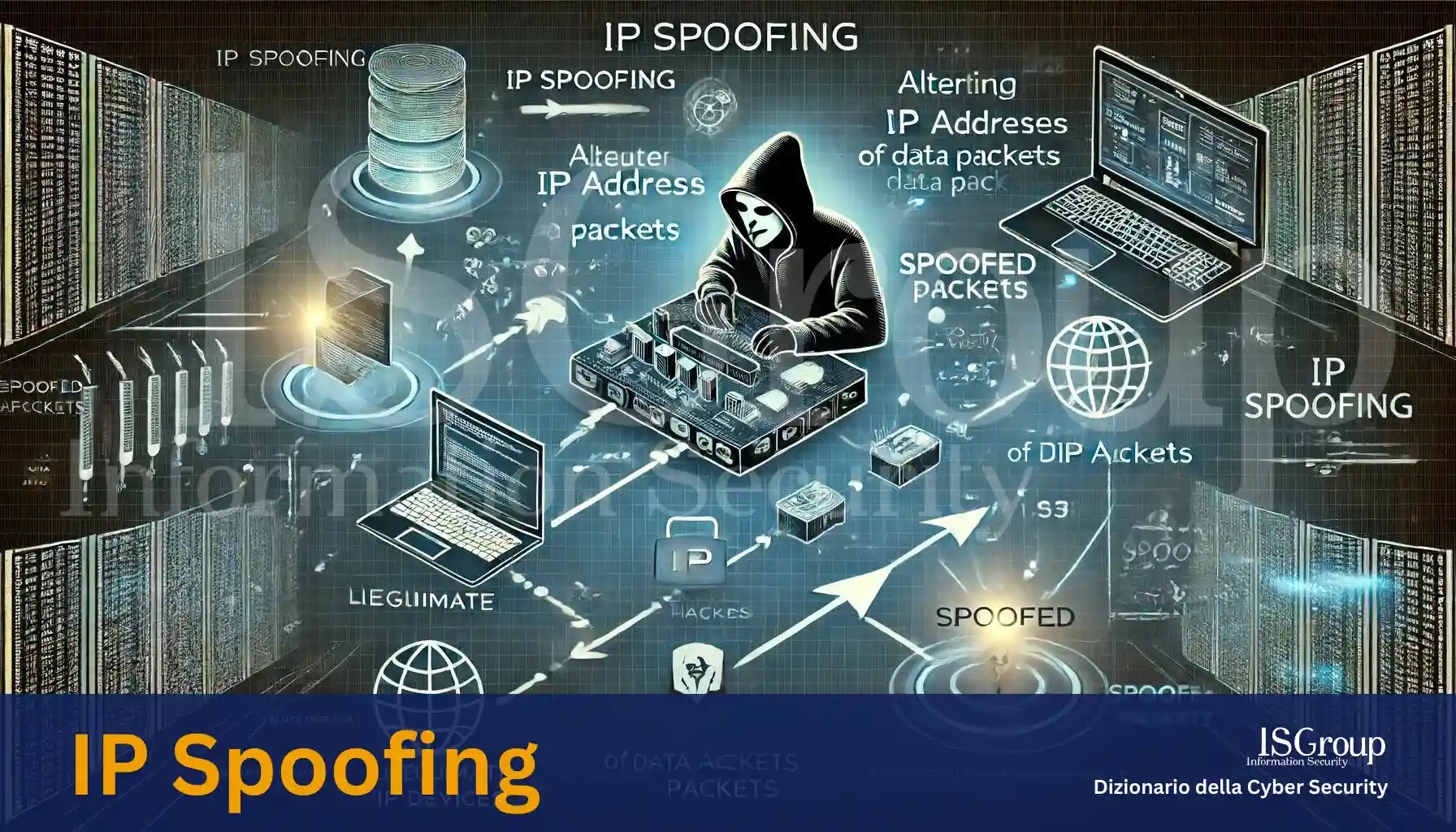
IP Spoofing is a technique used to provide a fake IP address, with the intent of hiding the sender’s identity or impersonating another computer system. This method is often employed in malicious activities, such as cyberattacks or unauthorized access to networks and systems.
How IP Spoofing Works
In a network context, every data packet sent contains crucial information, including the sender’s and recipient’s IP addresses. IP Spoofing intervenes in this process by altering the sender’s IP address so that it appears to come from another legitimate source. Consequently, the packet recipient can be deceived, believing the message comes from a trusted source, while in reality, it may be coming from an attacker.
Purposes and Uses of IP Spoofing
- DDoS (Distributed Denial of Service) Attacks: Attackers use fake IPs to send a massive volume of traffic to a server or network, overloading them and making them unavailable to legitimate users.
- Identity Masking: By altering the IP address, an attacker can mask their identity, making it more difficult for authorities to trace the origin of the attack.
- Bypassing Security Systems: Some security systems and firewalls base their access rules on IP addresses. By using IP Spoofing, attackers can bypass these controls and gain unauthorized access.
Prevention and Defense against IP Spoofing
- IP Address Filtering: Implement IP address filtering techniques at the network level, such as Reverse Path Forwarding (RPF), which verifies that the return path for a packet matches the declared origin.
- Use of Authentication: Implement robust authentication protocols, such as IPsec, which ensure the integrity and authenticity of data packets.
- Traffic Monitoring and Analysis: Perform constant monitoring and in-depth analysis of network traffic to detect anomalous behavior that could indicate spoofing activity.
Conclusion
IP Spoofing represents a significant threat to the security of computer networks. Understanding this technique and implementing appropriate preventive measures is essential to protect digital infrastructure and ensure the security of communications.
Want to give your company the highest level of cyber security? ISGroup SRL is here to help with cyber security solutions tailored to your business.
Would you like us to take care of everything for you? Our Virtual CISO and vulnerability management services are a perfect fit for your organization.
Already know what you need? Explore our services:
- Vulnerability Assessment
- Network Penetration Testing
- Web Application Penetration Testing
- Mobile Application Security Testing
- Ethical Hacking
- Training
And much more. Protect your company with the best cybersecurity experts!