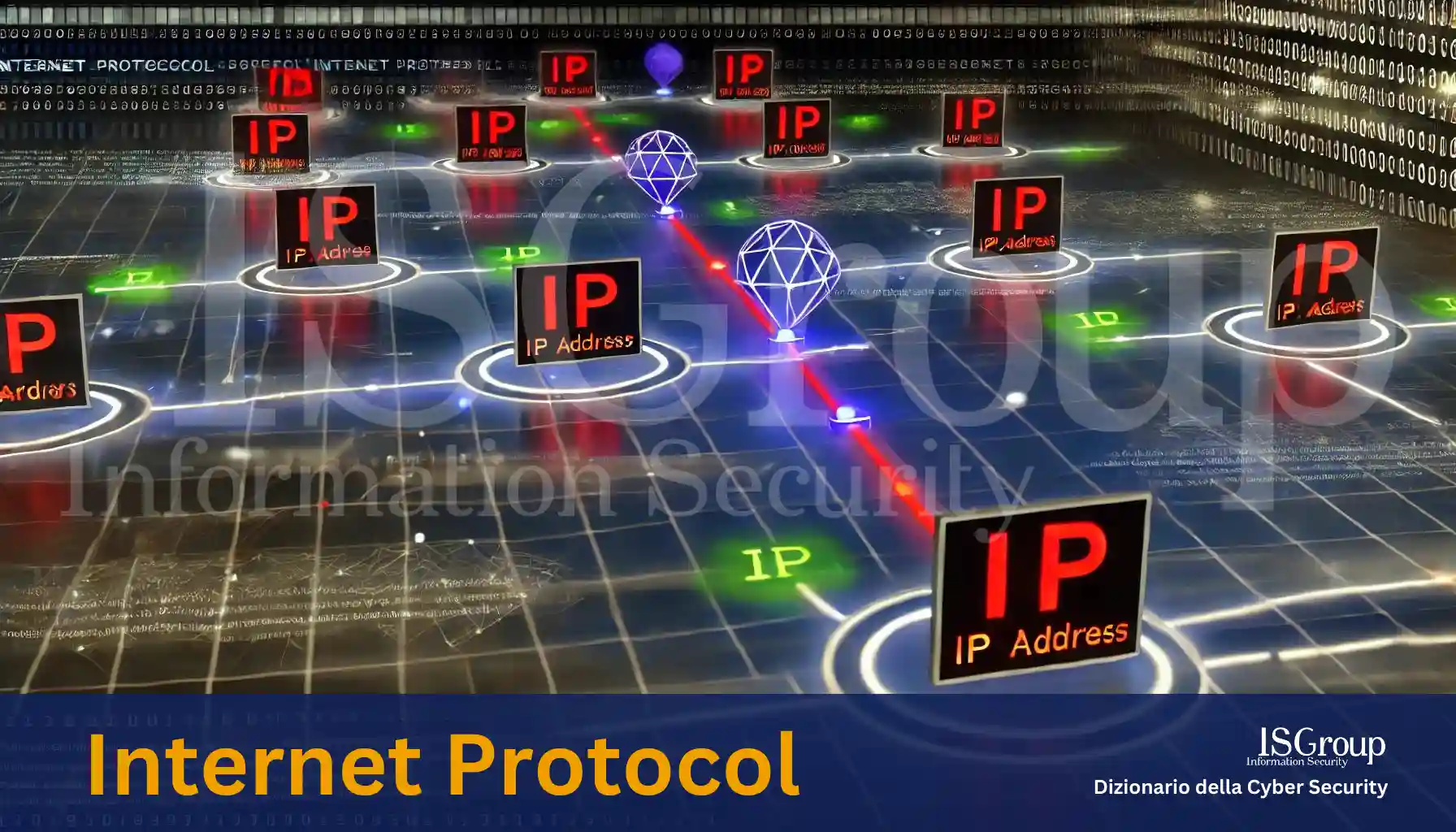
The Internet Protocol (IP) is the method or protocol used to send data from one computer to another over the Internet. It represents a fundamental component of network architecture, enabling communication between connected devices through a system of addressing and routing data packets.
How IP Works
The IP protocol operates by breaking information into small blocks called “packets.” Each packet contains both the data to be transmitted and control information, including the sender’s and recipient’s IP addresses. This process allows for efficient and reliable data transmission, even in the presence of network congestion or failures.
Types of IP Addresses
IP addresses are divided into two main categories:
- IPv4 (Internet Protocol version 4): This format uses 32-bit addresses, allowing for approximately 4.3 billion unique combinations. An IPv4 address is represented by four decimal numbers separated by dots, for example: 192.168.0.1.
- IPv6 (Internet Protocol version 6): Introduced to overcome the limitations of IPv4 addresses, IPv6 uses 128-bit addresses, allowing for an enormously larger number of combinations. An IPv6 address is represented by eight groups of four hexadecimal digits, separated by colons, for example: 2001:0db8:85a3:0000:0000:8a2e:0370:7334.
Packet Routing
Routing is the process by which data packets are transported from one network to another until they reach their final destination. Each network device, such as a router, uses a routing table to determine the best path for each packet. This mechanism ensures that data follows the most efficient path, reducing delays and optimizing the use of network resources.
The Role of IP in Security
The Internet Protocol also plays a crucial role in the security of online communications. Through additional security protocols such as IPsec (Internet Protocol Security), it is possible to encrypt and authenticate data packets, protecting sensitive information during transmission.
Conclusions
The Internet Protocol represents the backbone of communication on the Internet, enabling the transfer of data between different devices in an efficient and secure manner. The continuous evolution of IP addresses and routing technologies ensures that the global network can grow and adapt to the ever-increasing needs of modern users and applications.
Want to give your company the highest level of cyber security? ISGroup SRL is here to help with cyber security solutions tailored to your business.
Would you like us to take care of everything for you? Our Virtual CISO and vulnerability management services are a perfect fit for your organization.
Already know what you need? Explore our services:
- Vulnerability Assessment
- Network Penetration Testing
- Web Application Penetration Testing
- Mobile Application Security Testing
- Ethical Hacking
- Training
And much more. Protect your company with the best cybersecurity experts!