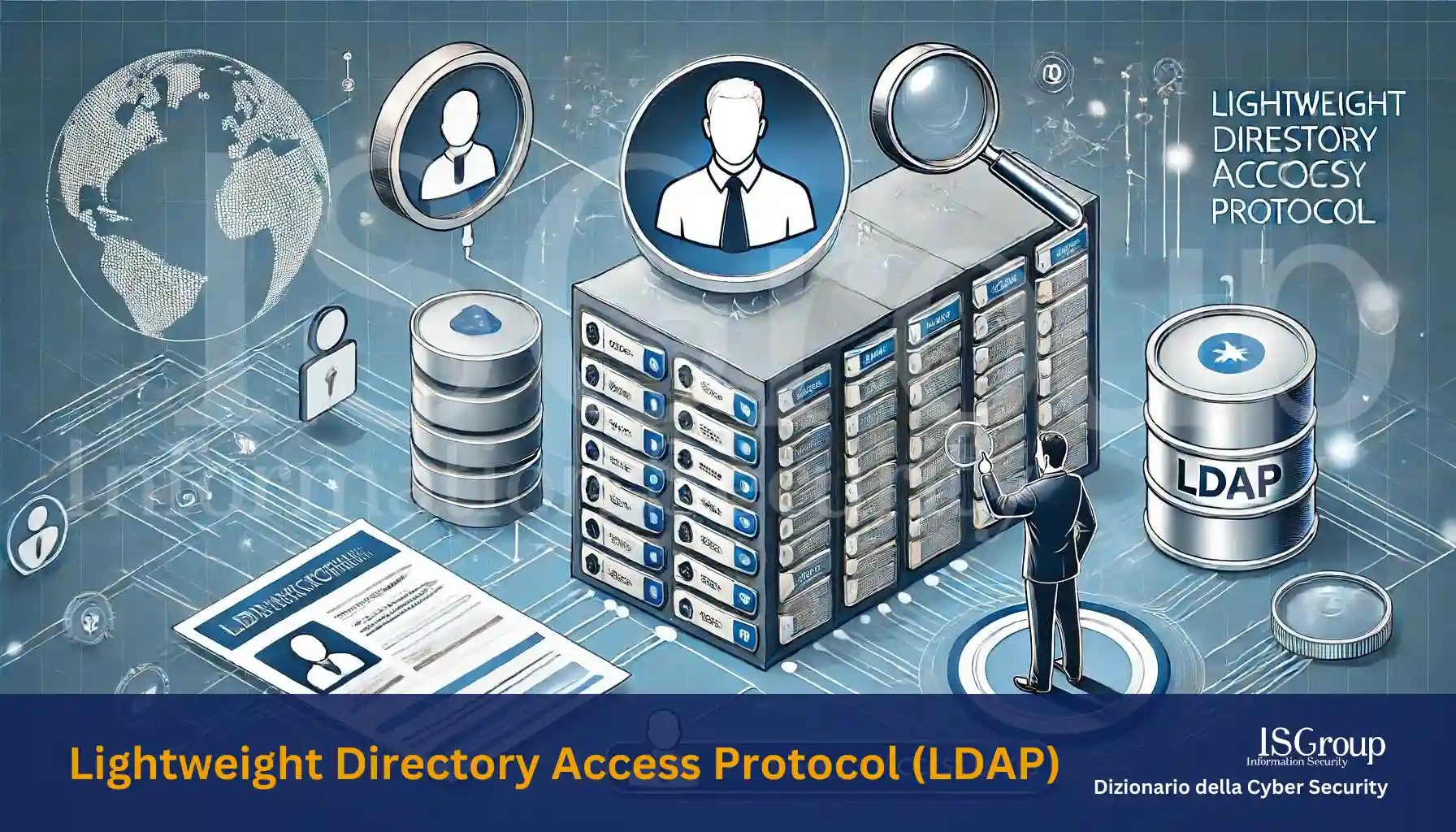
The Lightweight Directory Access Protocol (LDAP) is a software protocol designed to facilitate the searching of organizations, individuals, and other resources, such as files and devices, within a network, whether it is the public Internet or a corporate Intranet.
What is LDAP?
LDAP is a lightweight protocol, meaning it is designed to be less complex than the heavier protocols like DAP (Directory Access Protocol), from which it is derived. It is used to access and maintain directory services distributed over an IP network. LDAP directories follow a hierarchical, tree-like structure that allows for easy organization and searching of information.
How LDAP Works
LDAP operates on a client-server model. Clients send requests to LDAP servers, which respond with the requested information. This information is stored in a directory, a type of specialized database that is optimized for read operations, such as searching and browsing, rather than for writing.
Key Components
- DN (Distinguished Name): A unique identifier for each entry in the LDAP directory, which specifies its location in the hierarchy.
- RDN (Relative Distinguished Name): The part of the DN that identifies a single entry relative to its parent entry.
- Attributes: Each LDAP entry consists of a series of attributes, each with a name and one or more values. Attributes can include information such as name, email address, phone number, and so on.
- Schema: Defines the types of entries and attributes that can be stored in the directory, along with the rules for their combinations.
Uses of LDAP
LDAP is widely used in various contexts:
- Authentication: LDAP can be used to authenticate users and devices on a network, allowing for centralized access management.
- Address Books: Many email systems use LDAP to manage user address books.
- Resource Management: Companies use LDAP to manage information regarding employees, devices, services, and other resources.
Advantages of LDAP
- Efficiency: LDAP is designed to be fast and lightweight, making read operations very efficient.
- Scalability: The hierarchical structure of LDAP allows the system to scale easily as the amount of data grows.
- Standardization: As a standardized protocol, LDAP is supported by a wide range of software and platforms.
Conclusion
The Lightweight Directory Access Protocol is a fundamental technology for managing and searching information in complex networks. Thanks to its efficiency, scalability, and widespread support, LDAP remains a popular choice for many organizations that need a robust solution for directory access.
Want to give your company the highest level of cyber security? ISGroup SRL is here to help with cyber security solutions tailored to your business.
Would you like us to take care of everything for you? Our Virtual CISO and vulnerability management services are a perfect fit for your organization.
Already know what you need? Explore our services:
- Vulnerability Assessment
- Network Penetration Testing
- Web Application Penetration Testing
- Mobile Application Security Testing
- Ethical Hacking
- Training
And much more. Protect your company with the best cybersecurity experts!