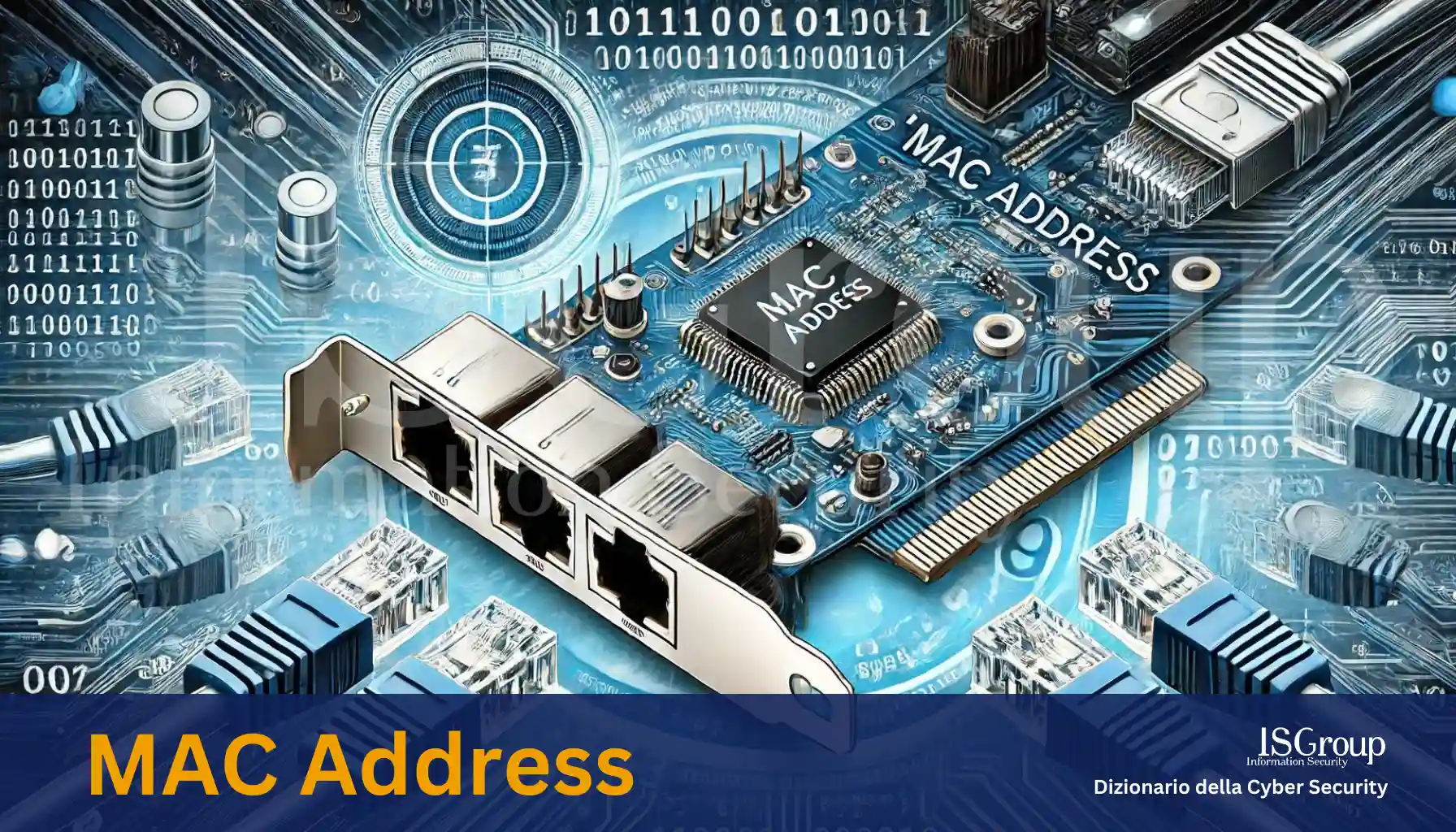
A MAC address (Media Access Control address) is a unique numerical value that identifies a network device from all other devices on the planet. It is a physical address, assigned by the device manufacturer, and serves as a unique identifier within a local area network (LAN).
MAC Address Structure
A MAC address consists of 48 bits, usually represented in hexadecimal format. It is divided into six groups of two hexadecimal digits, separated by colons or hyphens. For example, a MAC address might look like this: 00:1A:2B:3C:4D:5E or 00-1A-2B-3C-4D-5E.
MAC Address Components
- OUI (Organizationally Unique Identifier): The first 24 bits (or the first three groups of digits) represent the OUI, which is a code assigned by the IEEE (Institute of Electrical and Electronics Engineers) to the device manufacturer. This segment identifies the manufacturer.
- NIC (Network Interface Controller) Specific: The remaining 24 bits (or the last three groups of digits) are specific to the device’s network interface and are assigned by the manufacturer. This segment ensures that every device produced has a unique address.
Function of the MAC Address
The MAC address plays a crucial role in communication within a local network. During data transmission, devices use MAC addresses to ensure that data is sent to the correct recipient. This process occurs at the data link layer (layer 2) of the OSI (Open Systems Interconnection) model.
Differences from IP Addresses
While IP addresses can change and are assigned dynamically (often using DHCP – Dynamic Host Configuration Protocol), MAC addresses are static and physically tied to the device’s hardware. IP addresses operate at the network layer (layer 3) of the OSI model and are used to route data packets between different networks.
Importance of Security
Because MAC addresses are unique to each device, they can be used to improve network security. For example, routers can be configured to allow network access only to devices with specific MAC addresses, a process known as MAC filtering. However, it is important to note that MAC addresses can be spoofed, so this security measure is not infallible.
Conclusions
The MAC address is a fundamental element in the operation of local networks, ensuring that each device can be uniquely identified and can communicate correctly with other devices on the network. Understanding how MAC addresses work and their importance is essential for anyone working with computer networks.
Want to give your company the highest level of cyber security? ISGroup SRL is here to help with cyber security solutions tailored to your business.
Would you like us to take care of everything for you? Our Virtual CISO and vulnerability management services are a perfect fit for your organization.
Already know what you need? Explore our services:
- Vulnerability Assessment
- Network Penetration Testing
- Web Application Penetration Testing
- Mobile Application Security Testing
- Ethical Hacking
- Training
And much more. Protect your company with the best cybersecurity experts!