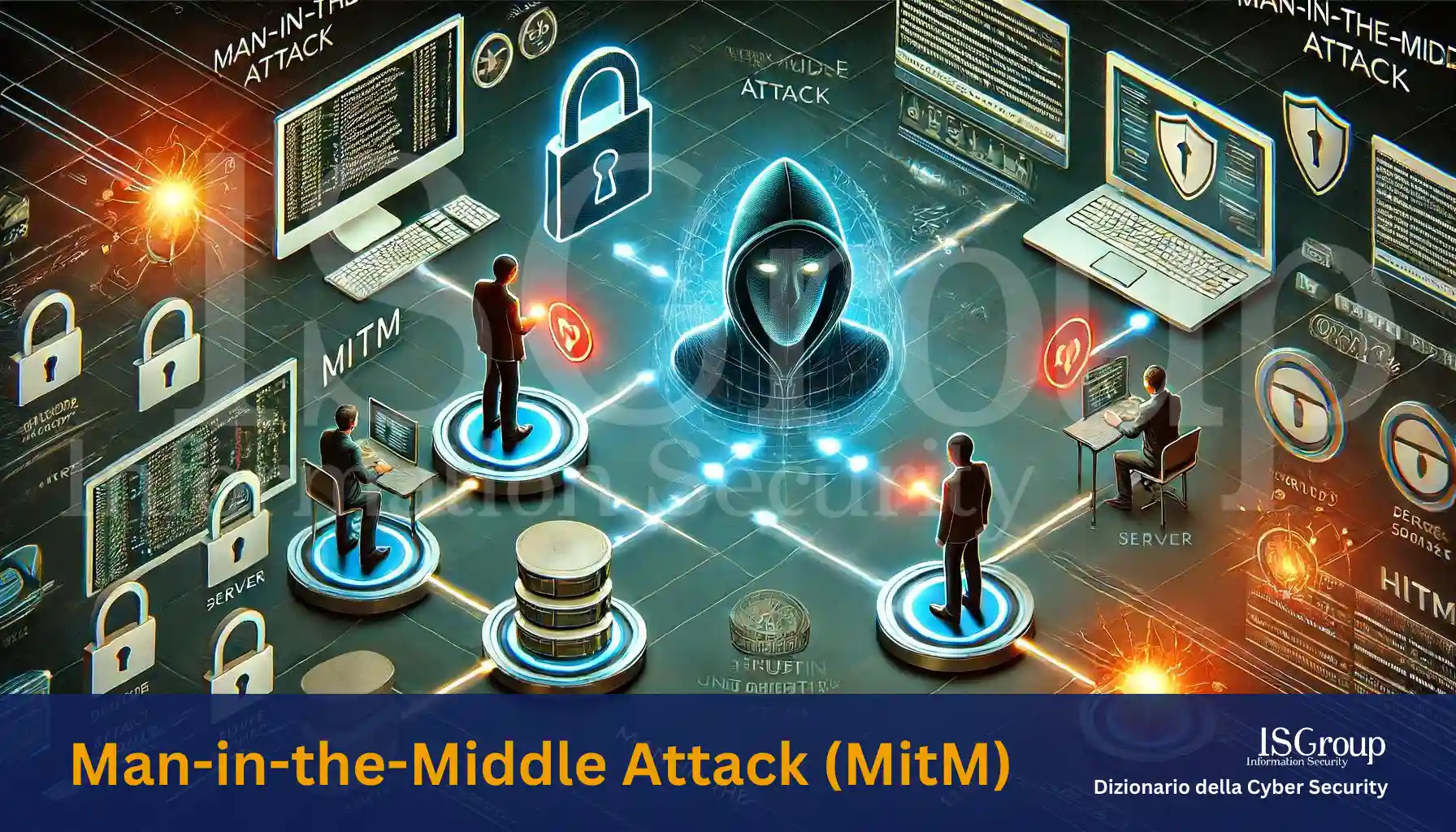
A Man-in-the-Middle (MitM) attack is a type of cyberattack where the attacker secretly intercepts and relays messages between two parties who believe they are communicating directly with each other. This attack is a form of eavesdropping where the attacker not only listens to the conversation but can also control and manipulate the entire communication.
How a MitM Attack Works
In a MitM attack, the attacker positions themselves between two communicating parties. This can happen through various methods, such as setting up a rogue Wi-Fi access point, using network sniffing software, or exploiting vulnerabilities in communication protocols. Once the attacker has established their position, they can intercept, read, and sometimes modify messages before forwarding them to the intended destination.
Attack Objectives
MitM attacks can have several objectives, including:
- Theft of Sensitive Information: The attacker can obtain personal data, login credentials, financial information, and other confidential data.
- Data Manipulation: The attacker can alter messages sent between the parties, changing the content of the communications.
- Impersonation: The attacker can make each party believe they are communicating with the other, deceiving users and gathering further information.
Common Techniques
Some of the most common techniques used in MitM attacks include:
- ARP Spoofing: The attacker sends falsified ARP (Address Resolution Protocol) messages on the local network, associating their own MAC address with the IP address of another device.
- DNS Spoofing: The attacker alters DNS responses to redirect traffic to fake websites.
- HTTPS Spoofing: The attacker creates a fake SSL certificate to make users believe they are visiting a secure site, when in reality they are communicating with the attacker.
Prevention and Protection
To protect against MitM attacks, it is important to adopt appropriate security measures, including:
- Use Secure Connections: Prefer HTTPS connections over unprotected public Wi-Fi networks.
- Strong Authentication: Implement multi-factor authentication (MFA) mechanisms to reduce the risk of unauthorized access.
- Updates and Patches: Keep operating systems, software, and firmware up to date to fix any vulnerabilities.
- Anomaly Detection: Use security software and intrusion detection systems to monitor and identify suspicious network activity.
Man-in-the-Middle attacks represent a serious threat to the security of digital communications. Awareness and the adoption of preventive measures can significantly reduce the risk of becoming a victim of such attacks.
Want to give your company the highest level of cyber security? ISGroup SRL is here to help with cyber security solutions tailored to your business.
Would you like us to take care of everything for you? Our Virtual CISO and vulnerability management services are a perfect fit for your organization.
Already know what you need? Explore our services:
- Vulnerability Assessment
- Network Penetration Testing
- Web Application Penetration Testing
- Mobile Application Security Testing
- Ethical Hacking
- Training
And much more. Protect your company with the best cybersecurity experts!