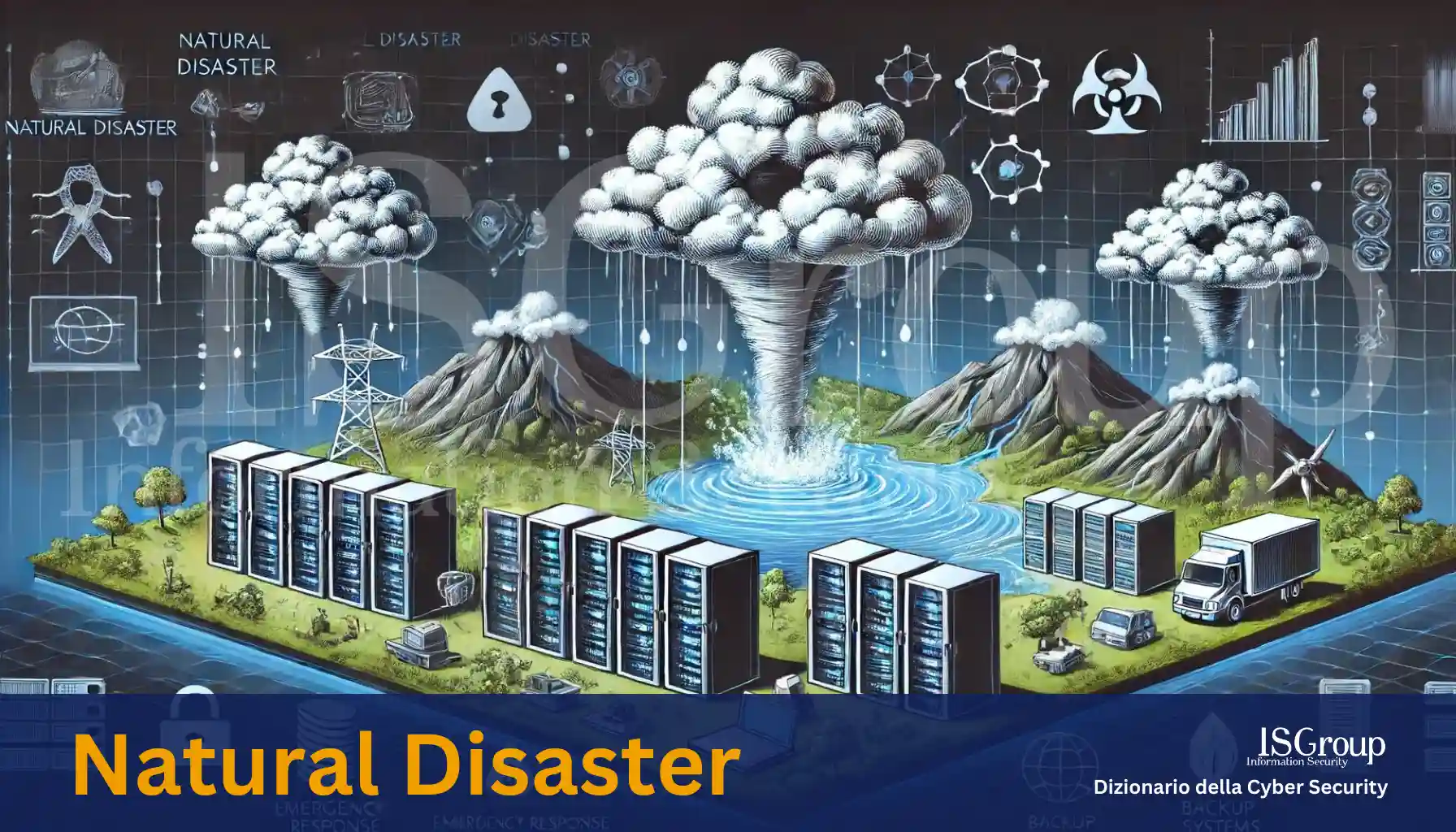
A natural disaster is a catastrophic event caused by the forces of nature, commonly referred to as an “act of God.” These events can include wildfires, floods, earthquakes, lightning, or strong winds. Such natural phenomena can cause significant damage to people, property, and infrastructure, often putting entire communities and systems in crisis.
Types of Natural Disasters
- Wildfires: Wildfires, especially forest fires, can destroy vast territories, homes, and natural resources. Causes can be both natural, such as lightning, or human-related, such as negligence or arson.
- Floods: Floods occur when large amounts of water submerge areas that are normally dry. They can be caused by heavy rainfall, melting snow, dam failures, or tsunamis. Floods can devastate communities, damaging infrastructure and crops.
- Earthquakes: Earthquakes are ground vibrations caused by the movement of tectonic plates. They can cause building collapses, landslides, and tsunamis, with devastating consequences for the affected areas.
- Lightning: Lightning consists of electrical discharges in the atmosphere, often during thunderstorms. It can cause fires, structural damage, and electrical blackouts.
- Strong Winds: Storms with strong winds, such as hurricanes and tornadoes, can destroy buildings, uproot trees, and cause severe damage to infrastructure.
Impacts of Natural Disasters
Natural disasters can have immediate and long-term impacts on a community. Immediate effects include loss of life, injuries, and material damage. Long-term impacts can include the displacement of people, loss of livelihoods, public health issues, and the need for infrastructure reconstruction.
Prevention and Preparedness
Prevention and preparedness are crucial to mitigate the effects of natural disasters. These include:
- Emergency plans: Developing and practicing evacuation and emergency response plans.
- Resilient construction: Designing and building structures and infrastructure that can withstand natural phenomena.
- Warning systems: Implementing early warning systems to alert the population in the event of an imminent disaster.
- Public education: Informing and preparing the population on the actions to take in case of an emergency.
Conclusion
Natural disasters are inevitable, but through proper preparation and mitigation, it is possible to significantly reduce damage and protect human lives and property. Understanding and managing risk are essential for building more resilient and safer communities.
Want to give your company the highest level of cyber security? ISGroup SRL is here to help with cyber security solutions tailored to your business.
Would you like us to take care of everything for you? Our Virtual CISO and vulnerability management services are a perfect fit for your organization.
Already know what you need? Explore our services:
- Vulnerability Assessment
- Network Penetration Testing
- Web Application Penetration Testing
- Mobile Application Security Testing
- Ethical Hacking
- Training
And much more. Protect your company with the best cybersecurity experts!