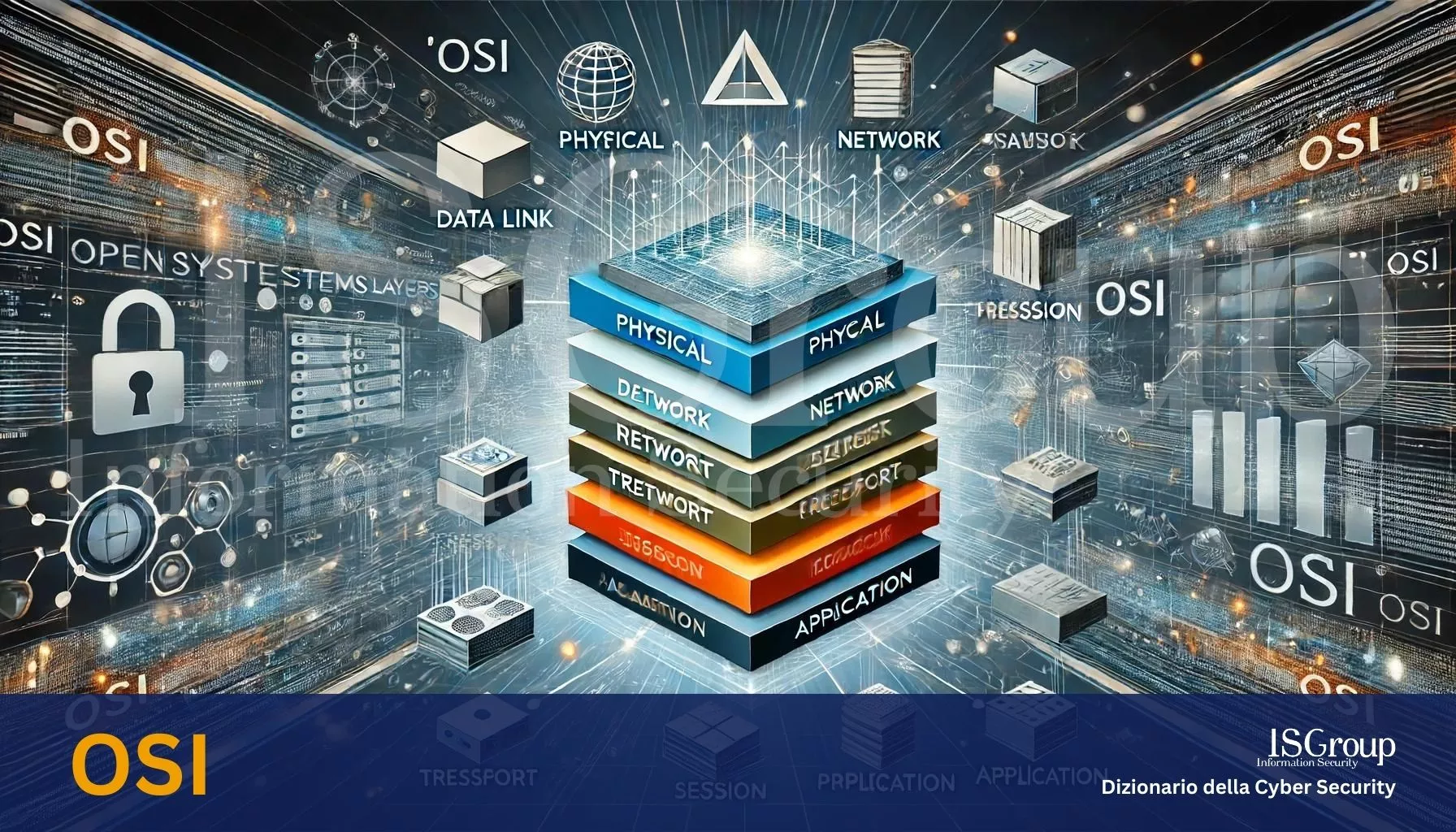
The OSI (Open Systems Interconnection) is a standard description or “reference model” for how messages should be transmitted between any two points in a telecommunications network. Its purpose is to guide product developers so that their products function consistently with other products. The reference model defines seven layers of functions that occur at each end of a communication.
Although OSI is not always strictly adhered to in terms of keeping related functions together in a well-defined layer, many, if not most, products involved in telecommunications attempt to describe themselves in relation to the OSI model. It is also valuable as a single reference view of communication that provides everyone with common ground for education and discussion.
The Seven Layers of the OSI Model
The OSI model consists of seven layers, each with specific functions:
- Physical Layer: Deals with the physical transmission of data through the transmission medium, whether it be cable, fiber optics, or radio waves.
- Data Link Layer: Ensures error-free data transfer between adjacent nodes, handling physical addressing, error control, and flow control.
- Network Layer: Manages data routing between network nodes, determining the most efficient path for the data.
- Transport Layer: Ensures reliable end-to-end data transmission, handling flow control, error control, and data segmentation.
- Session Layer: Manages communication sessions between applications, establishing, maintaining, and terminating connections.
- Presentation Layer: Deals with data translation, encryption, and compression, making data presentable for the application.
- Application Layer: Provides network services directly to end-user applications, such as email, file transfer, and database access.
Importance of the OSI Model
The OSI model is fundamental for the design and understanding of telecommunications networks. It provides a common structure that facilitates the development and integration of products from different vendors. Thanks to the OSI model, manufacturers can develop devices and software that interact seamlessly with other systems, promoting interoperability and standardization in the telecommunications industry.
In summary, the OSI model is not only a guide for the development of network products but also an educational tool that helps professionals and students understand the complex communication processes in modern networks.
Want to give your company the highest level of cyber security? ISGroup SRL is here to help with cyber security solutions tailored to your business.
Would you like us to take care of everything for you? Our Virtual CISO and vulnerability management services are a perfect fit for your organization.
Already know what you need? Explore our services:
- Vulnerability Assessment
- Network Penetration Testing
- Web Application Penetration Testing
- Mobile Application Security Testing
- Ethical Hacking
- Training
And much more. Protect your company with the best cybersecurity experts!