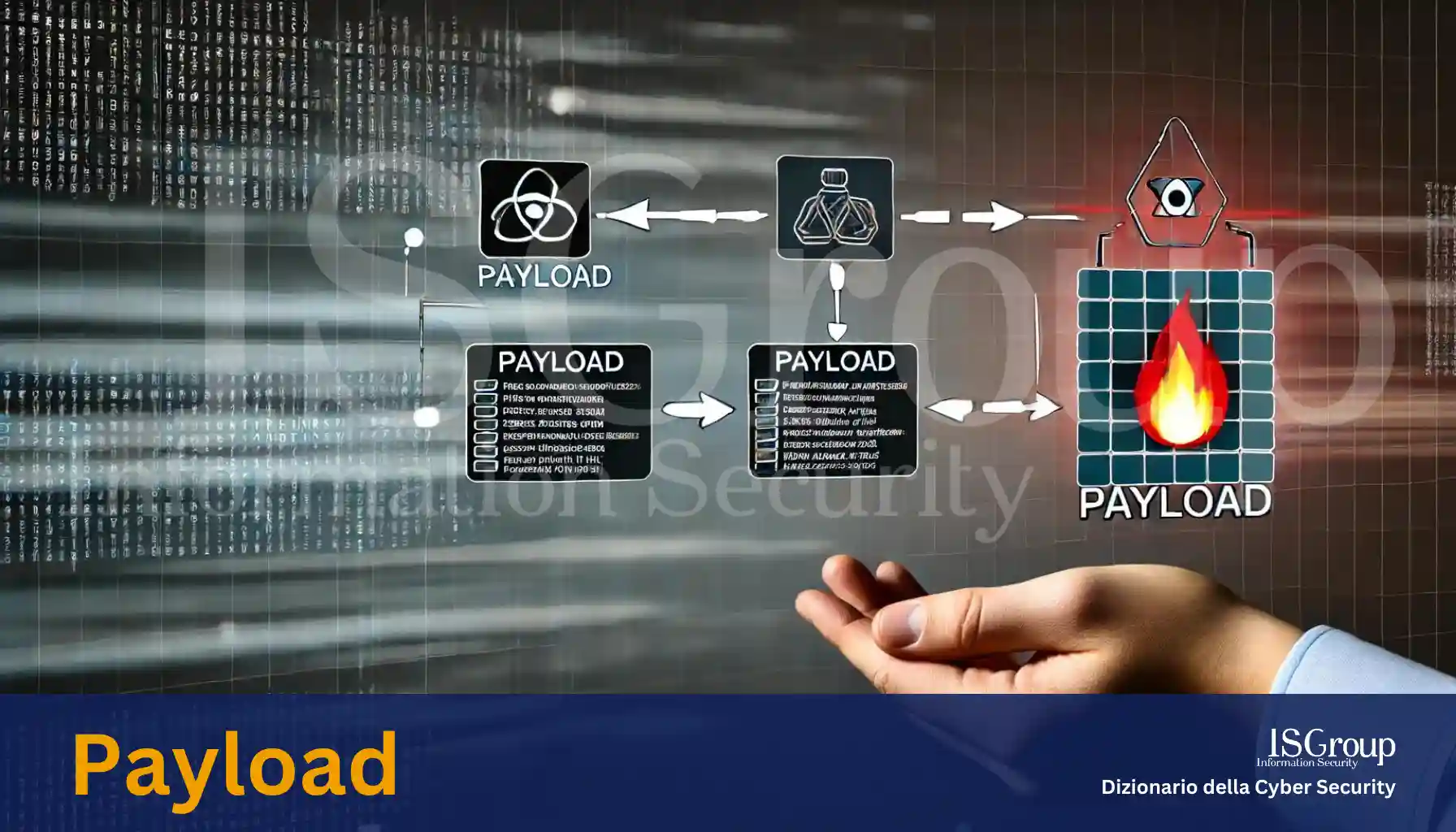
Payload is a term commonly used in the field of network technology and communications. It refers to the actual data that a packet contains, which is the real information being transmitted from one part of a network to another. The term comes from English and can be translated literally as “useful load.”
Definition and Function
In the context of communication networks, a packet is a unit of data that travels across a network. Each packet is composed of several sections, including:
- Header: Contains control and routing information, such as the destination IP address and the source IP address.
- Footer: May contain verification data to ensure that the packet has been received correctly.
- Payload: This is the main and most important part of the packet, as it contains the actual data that needs to be transmitted.
For example, if you are sending an email, the packet’s payload will include the text of the message, attachments, and other relevant information.
Importance of the Payload
The payload is fundamental because it represents the actual content of the message you wish to send. Without the payload, packets would only carry control data, making it impossible to communicate useful information.
The size of the payload can vary depending on the network protocol used and the technical specifications of the network itself. In some networks, such as those based on the TCP/IP protocol, the maximum payload size is limited to ensure the efficiency and reliability of the transmission.
Applications and Considerations
Payload management is crucial in various scenarios, including:
- Security: Ensuring that the payload does not contain malicious or unauthorized data.
- Efficiency: Optimizing the payload size to reduce the number of packets required and improve transmission speed.
- Data Integrity: Ensuring that the payload arrives at its destination without errors or data loss.
In the field of cybersecurity, the payload can be a target for attacks, such as in the case of buffer overflow attacks, where a hacker can insert malicious code into the payload to compromise a system.
Conclusion
In summary, the payload is the essential component of a data packet, containing the actual information that must be transmitted. Its effective management is crucial to ensuring the security, efficiency, and reliability of network communications. Understanding the role of the payload helps improve network design and maintenance, as well as protecting data during transmission.
Want to give your company the highest level of cyber security? ISGroup SRL is here to help with cyber security solutions tailored to your business.
Would you like us to take care of everything for you? Our Virtual CISO and vulnerability management services are a perfect fit for your organization.
Already know what you need? Explore our services:
- Vulnerability Assessment
- Network Penetration Testing
- Web Application Penetration Testing
- Mobile Application Security Testing
- Ethical Hacking
- Training
And much more. Protect your company with the best cybersecurity experts!