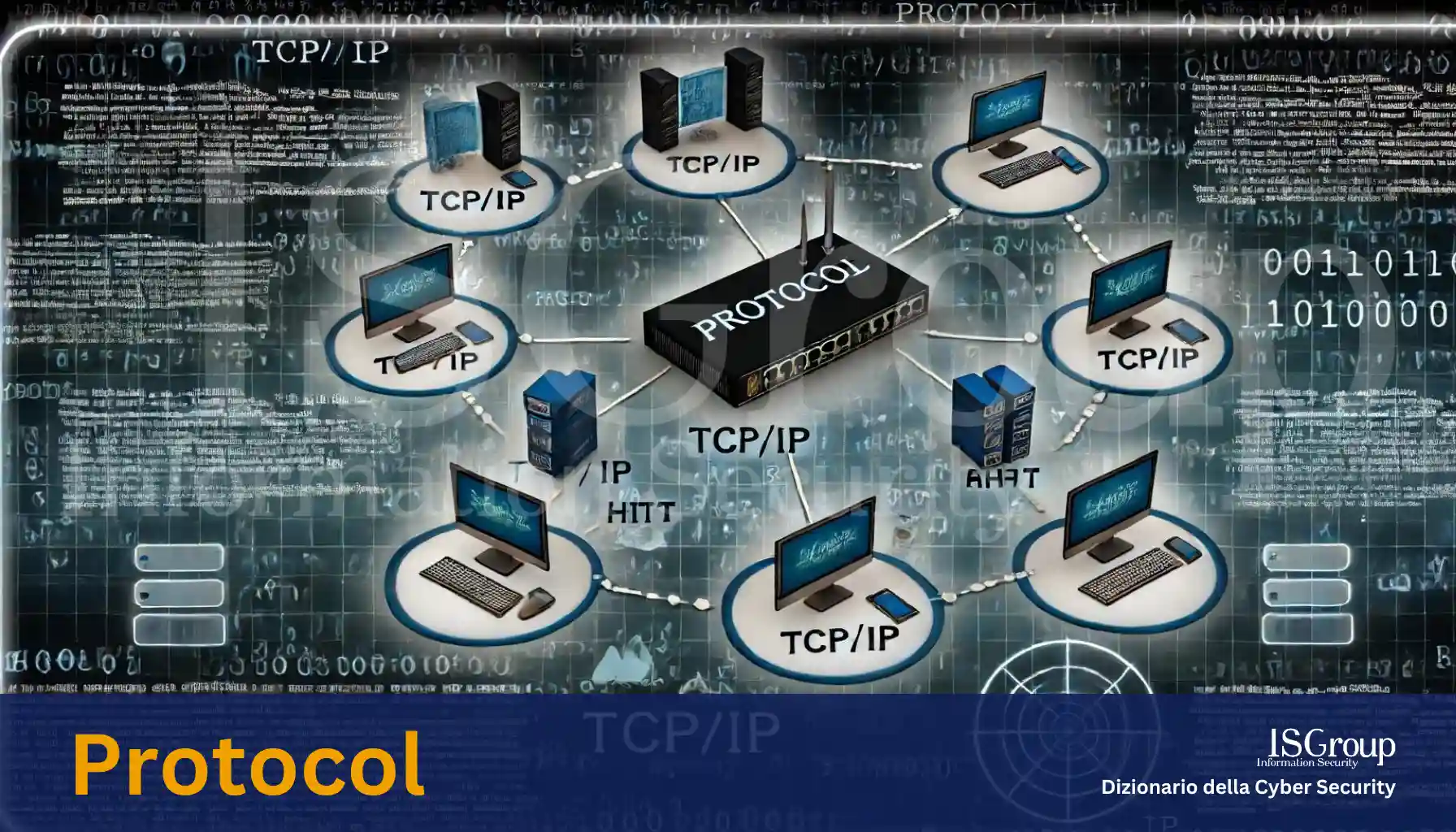
A protocol is a formal specification for communication, defining a special set of rules that the endpoints of a telecommunication connection use when communicating with each other. Protocols exist at different levels in a telecommunication connection and are essential to ensure that data is transmitted correctly and securely.
Protocol Layers
Protocols are structured into various layers, each of which performs a specific function in the communication process. Here is an overview of the main layers:
- Physical Layer: Deals with the transmission of raw data over a physical communication channel. It includes standards such as Ethernet and Wi-Fi.
- Data Link Layer: Manages transmission errors and access control to the communication medium. A common example is the Ethernet protocol.
- Network Layer: Responsible for routing data packets between network nodes. The most well-known protocol at this level is IP (Internet Protocol).
- Transport Layer: Provides reliable data transfer from one endpoint to another. TCP (Transmission Control Protocol) and UDP (User Datagram Protocol) are the most widely used protocols at this level.
- Session Layer: Manages the establishment, maintenance, and termination of communication sessions between applications.
- Presentation Layer: Handles the translation of data between the format used by the network and the format used by the application. It includes data encryption and compression.
- Application Layer: Provides network services directly to applications. HTTP (Hypertext Transfer Protocol), FTP (File Transfer Protocol), and SMTP (Simple Mail Transfer Protocol) are examples of protocols at this level.
IP Address
An IP (Internet Protocol) address is a unique identifier assigned to every device connected to a network that uses the Internet Protocol. IP addresses allow devices to locate and communicate with each other on the network. There are two main versions of IP addresses: IPv4 and IPv6. IPv4 uses a 32-bit addressing system, while IPv6 uses a 128-bit system, allowing for a much larger number of unique addresses.
Importance of Protocols
Protocols are fundamental to the operation of telecommunication networks. Without them, communication between devices would be chaotic and ineffective. Protocols ensure that data is transmitted in an orderly and predictable manner, allowing for the correct interpretation and management of information exchanged between different devices.
Examples of Common Protocols
- HTTP/HTTPS: Used for the transmission of web pages.
- FTP: Used for file transfer.
- SMTP: Used for sending emails.
- TCP/IP: Fundamental for communication over the Internet.
In conclusion, protocols are essential for effective and secure communication between devices in a telecommunication network, providing a set of rules that guarantee the correct transmission and reception of data.
Want to give your company the highest level of cyber security? ISGroup SRL is here to help with cyber security solutions tailored to your business.
Would you like us to take care of everything for you? Our Virtual CISO and vulnerability management services are a perfect fit for your organization.
Already know what you need? Explore our services:
- Vulnerability Assessment
- Network Penetration Testing
- Web Application Penetration Testing
- Mobile Application Security Testing
- Ethical Hacking
- Training
And much more. Protect your company with the best cybersecurity experts!