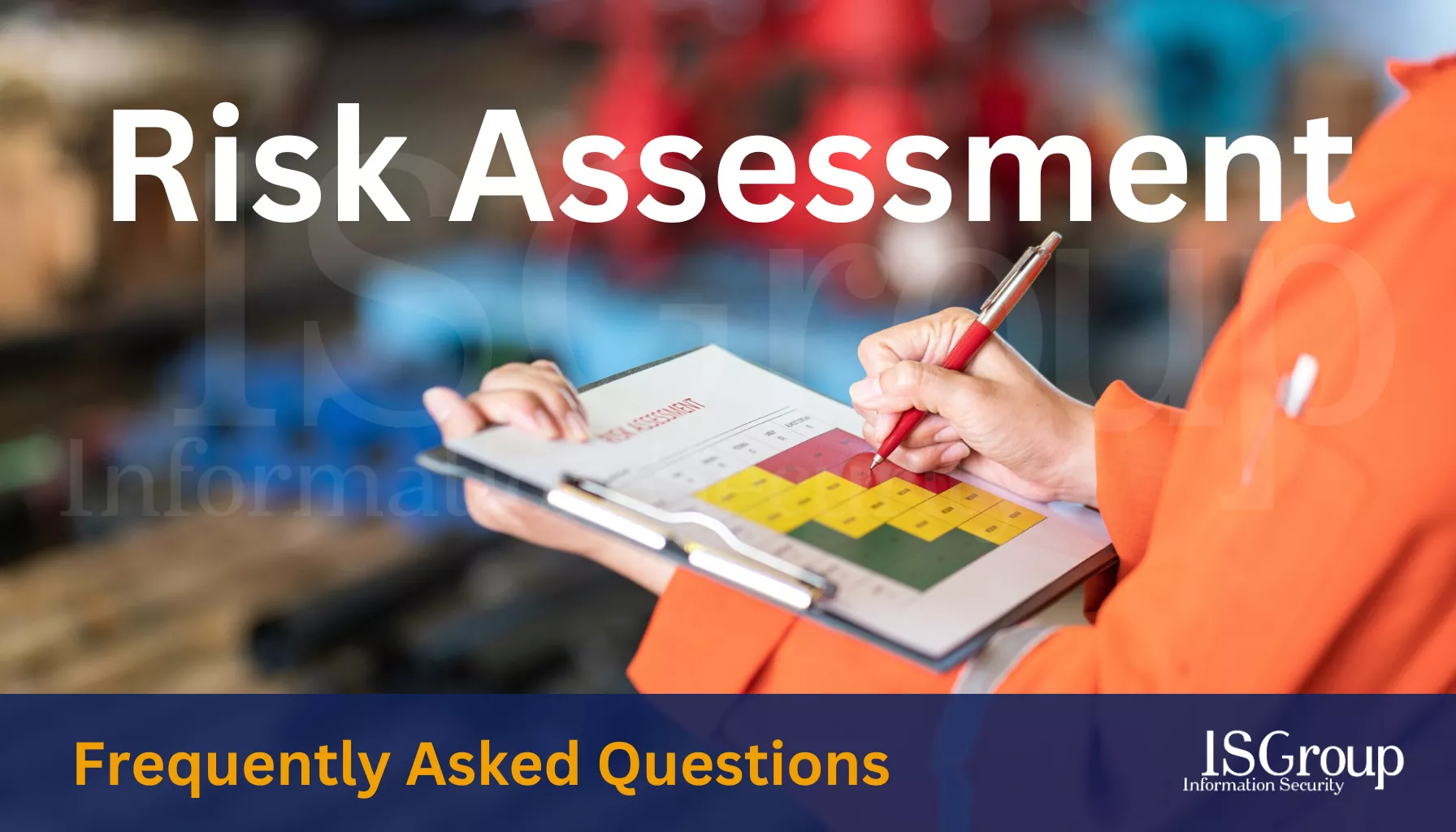
A Risk Assessment Matrix is a visual tool used to classify and visualize risks based on their likelihood and impact. It helps companies prioritize risks that require immediate attention and plan corrective actions. The matrix crosses the probability levels of an event with its impact to assess the overall risk.
The Risk Assessment Matrix is a fundamental tool for companies that want to effectively manage operational and strategic risks. It is a visual representation that allows risks to be classified based on two key parameters: the likelihood of an event occurring and the impact it would have on the organization should it manifest.
How does a Risk Assessment Matrix work?
The matrix is organized into a grid that crosses probability levels with impact levels. Each identified risk is placed in one of the grid cells based on its likelihood of occurrence and the severity of its impact. This visual approach allows for an immediate, clear overview of risk priority, distinguishing those that require immediate attention from those of lesser relevance.
The main elements of a Risk Assessment Matrix
- Likelihood: Represents the chance that a risk will occur. It is usually classified on a scale ranging from low to high.
- Impact: Represents the severity of the consequences if the risk were to occur. This is also classified on a similar scale, which can range from mild to catastrophic.
- Overall risk assessment: The point where likelihood and impact intersect defines the severity of the overall risk. Risks with high likelihood and high impact are considered critical and require immediate intervention, while those with low likelihood and low impact can be monitored carefully but do not require urgent measures.
Benefits
- Risk prioritization: The matrix allows risks to be ordered by importance, focusing company resources on those that represent the most significant threat.
- Decision-making clarity: Thanks to the immediate visualization of risk, management can make rapid, data-driven decisions.
- Effective communication: The simplicity of the visual format facilitates the communication of priorities and mitigation measures across various departments of the organization.
- Planning corrective actions: It helps in planning preventive or corrective actions based on the severity of the risk, minimizing the impact of future events.
How to implement a Risk Assessment Matrix
To create a Risk Assessment Matrix, it is necessary to follow some fundamental steps. Relying on a structured risk assessment process helps make the analysis rigorous, repeatable, and useful for business decisions.
- Identify risks: Gather potential risks that could affect the company.
- Assess likelihood: Assign a score to the probability that each risk will occur.
- Assess impact: Assign a score to the severity of the impact of each risk.
- Place risks in the matrix: Insert the risks into the grid based on the likelihood and impact scores.
- Define priorities and actions: Identify critical risks and plan the necessary mitigation actions.
The Risk Assessment Matrix is not just an assessment tool, but a strategic resource that allows companies to address risks in a structured and proactive way. Using a risk matrix allows for improved business resilience, reducing the likelihood of operational interruptions and protecting company assets from potential threats. To delve deeper into the topic, it is useful to start with a solid understanding of risk assessment and a risk assessment template as an operational starting point.
Protect your organisation with Risk Assessment.
Choose ISGroup for a practical, tailored engagement:
- A focused assessment of your environment and requirements
- Clear findings with a prioritised, actionable roadmap
- Direct support from experienced specialists through remediation and implementation