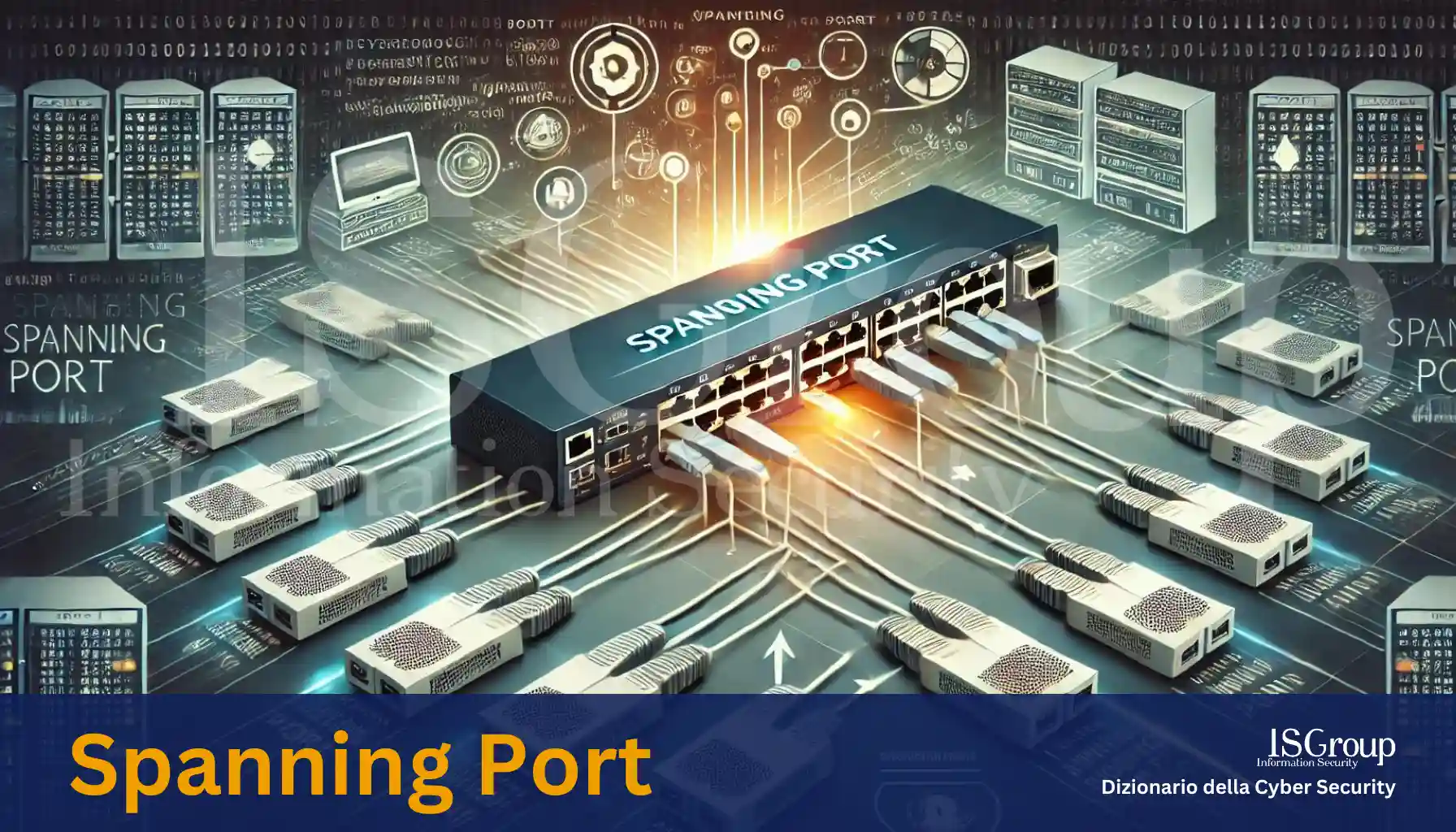
A “Spanning Port” is a configurable feature within network switches that allows a specific switch port to be treated as if it were a hub port. This means that all traffic passing through the switch is duplicated and also sent to the port configured as a Spanning Port. This feature is particularly useful for network monitoring and traffic analysis purposes.
How it Works
When you configure a switch port as a Spanning Port, the switch begins to behave similarly to a hub for that specific port. Every data packet that traverses the switch is copied and also sent to the spanning port. This allows you to connect a monitoring device, such as a network analyzer or an intrusion detection system (IDS), to the spanning port, providing a complete view of network traffic without interfering with the original data flow.
Common Uses
- Network Monitoring: Network administrators can use a spanning port to monitor traffic in real-time and identify potential network issues, such as congestion, transmission errors, or suspicious activity.
- Traffic Analysis: Companies often use traffic analysis tools to better understand network usage and optimize resources. A spanning port allows for the collection of detailed data without having to interrupt normal network operations.
- Security: Security tools such as IDS can be connected to a spanning port to detect intrusion attempts or other malicious activities on the network.
Configuration
The configuration of a spanning port varies depending on the switch model and manufacturer. However, generally, the process involves accessing the switch’s management interface and enabling the spanning function on the desired port. It is important to ensure that the device connected to the spanning port is capable of handling the high volume of duplicated traffic it will receive.
Pros and Cons
Pros:
- Passive Monitoring: Allows for traffic monitoring without impacting network performance.
- Ease of Implementation: Easy to configure on many modern switches.
Cons:
- Overload: The spanning port can become a point of congestion if it receives an excessive amount of traffic.
- Traffic Duplication: Can create an additional load on the switch, potentially affecting overall performance.
In conclusion, the Spanning Port is a powerful and versatile tool for network monitoring and analysis. Its proper configuration and use can provide valuable visibility into network traffic, helping to keep the network secure and operating efficiently.
Want to give your company the highest level of cyber security? ISGroup SRL is here to help with cyber security solutions tailored to your business.
Would you like us to take care of everything for you? Our Virtual CISO and vulnerability management services are a perfect fit for your organization.
Already know what you need? Explore our services:
- Vulnerability Assessment
- Network Penetration Testing
- Web Application Penetration Testing
- Mobile Application Security Testing
- Ethical Hacking
- Training
And much more. Protect your company with the best cybersecurity experts!