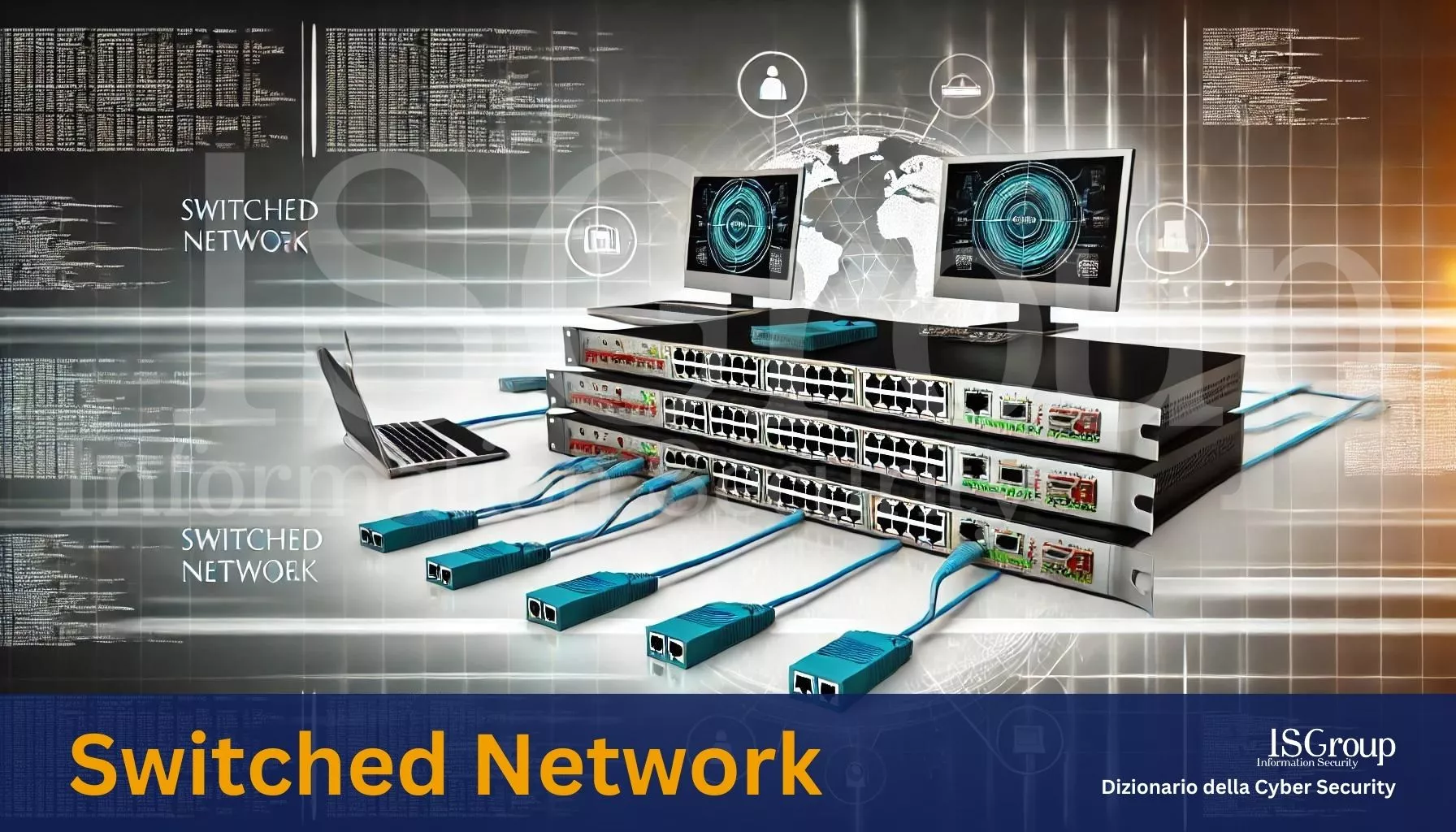
A switched network is a communications network in which any user can be connected to any other user through the use of switching and control devices, such as message, circuit, or packet switching. This type of network is fundamental for enabling flexible, on-demand communications between users, regardless of their geographical location.
Types of Switching
There are three main types of switching used in switched networks:
- Message Switching: In this type of switching, complete messages are transmitted from one node to another. Each message includes the recipient’s address and is stored and forwarded by the nodes along the path to the final destination. This method is useful for large data transmissions and can be inefficient for real-time communications due to store-and-forward delays.
- Circuit Switching: Circuit switching involves the creation of a dedicated physical path between the sender and the receiver before communication begins. This path remains reserved for the entire duration of the communication. The Public Switched Telephone Network (PSTN) is a classic example of a network that uses circuit switching. This method ensures a continuous and stable connection, ideal for voice calls, but can be inefficient in terms of network resource utilization.
- Packet Switching: In packet switching, data is broken down into smaller packets, each containing addressing information. Packets travel independently through the network and may follow different paths to reach the final destination, where they are reassembled in the correct order. This method is highly efficient and flexible, allowing for the optimization of network resource usage and effectively supporting real-time communications, such as video calls and streaming.
Advantages of Switched Networks
Switched networks offer numerous advantages, including:
- Flexibility: Users can connect to any other user on the network without the need for predefined paths, making dynamic and on-demand communication possible.
- Efficiency: Packet switching, in particular, optimizes the use of network resources, allowing for high throughput and reduced latency.
- Reliability: Switched networks are designed to manage network traffic and can reroute data in the event of failures, increasing the overall reliability of the network.
Applications of Switched Networks
Switched networks are the foundation of many modern communication technologies. Some of the main applications include:
- Telephone Networks: The Public Switched Telephone Network (PSTN) uses circuit switching to provide voice calling services globally.
- Internet: The Internet uses packet switching to transmit data between connected devices, supporting a wide range of services such as web browsing, email, and multimedia streaming.
- Virtual Private Networks (VPNs): VPNs use switched networks to create secure and private connections over the internet, allowing organizations to connect remote locations securely.
In conclusion, switched networks represent an essential component of modern communication infrastructures, offering the flexibility and efficiency needed to support a wide range of applications and services.
Want to give your company the highest level of cyber security? ISGroup SRL is here to help with cyber security solutions tailored to your business.
Would you like us to take care of everything for you? Our Virtual CISO and vulnerability management services are a perfect fit for your organization.
Already know what you need? Explore our services:
- Vulnerability Assessment
- Network Penetration Testing
- Web Application Penetration Testing
- Mobile Application Security Testing
- Ethical Hacking
- Training
And much more. Protect your company with the best cybersecurity experts!