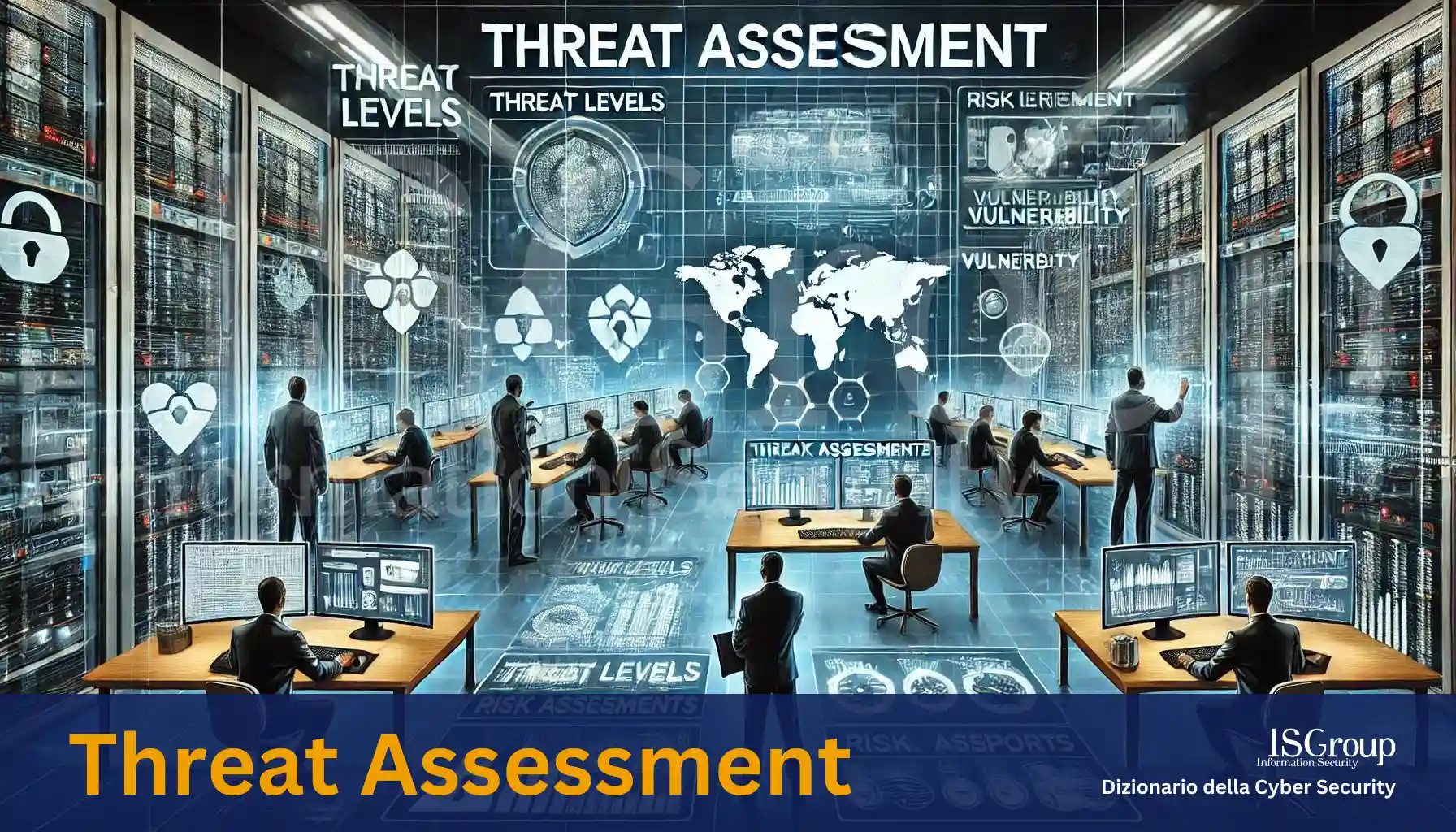
Threat Assessment is a crucial process for the security of any organization. It consists of identifying the types of threats to which an organization might be exposed. This procedure not only helps to recognize potential dangers but also to adequately prepare to mitigate or prevent them.
Purpose of Threat Assessment
The primary goal of threat assessment is to protect an organization’s assets, whether they are physical, human, or digital. By identifying potential threats in advance, an organization can develop effective response plans and mitigation strategies to minimize the impact of such threats.
Types of Threats
Threats can be of various natures and include, but are not limited to:
- Physical Threats: These include theft, vandalism, fire, and natural disasters such as earthquakes or floods.
- Human Threats: These can stem from internal attacks, such as disgruntled employees or saboteurs, or from external attacks, such as hackers or terrorists.
- Digital Threats: These are often the most complex and include cyberattacks, viruses, malware, phishing, and other forms of cyber-attacks.
- Legal and Compliance Threats: Failure to comply with laws and regulations can represent a significant threat, leading to sanctions, fines, or reputational damage.
Assessment Process
The threat assessment process generally follows several key stages:
- Identification: Recognizing and documenting potential threats.
- Analysis: Evaluating the probability of each threat and the potential impact it could have on the organization.
- Prioritization: Ranking threats based on their severity and likelihood of occurrence.
- Response Planning: Developing plans and strategies to respond effectively to identified threats.
- Monitoring and Review: Continuing to monitor threats and reviewing response plans to ensure they remain effective over time. A structured approach to continuous monitoring of external and internal threats allows for anticipating risks before they translate into actual incidents.
Benefits of Threat Assessment
Conducting a threat assessment offers numerous benefits, including:
- Better Preparation: Organizations are better prepared to handle potential crises.
- Risk Reduction: Reduction in the risk of physical, financial, and reputational damage.
- Cost Savings: Preventive mitigation of threats can be less expensive than managing the consequences of an attack or incident.
- Regulatory Compliance: Ensuring that the organization complies with current regulations.
How to integrate Threat Assessment into the security strategy
Threat assessment is an essential element for security management in any organization. By identifying, analyzing, and planning in advance, organizations can better protect themselves against a wide range of threats. To delve deeper into how threats are classified and represented during the design phase, it is useful to know the concept of a threat model, as well as to understand the main threat vectors through which an attacker can strike the infrastructure.
Protect your organisation with Threat Intelligence and Digital Risk Protection.
Choose ISGroup for a practical, tailored engagement:
- A focused assessment of your environment and requirements
- Clear findings with a prioritised, actionable roadmap
- Direct support from experienced specialists through remediation and implementation