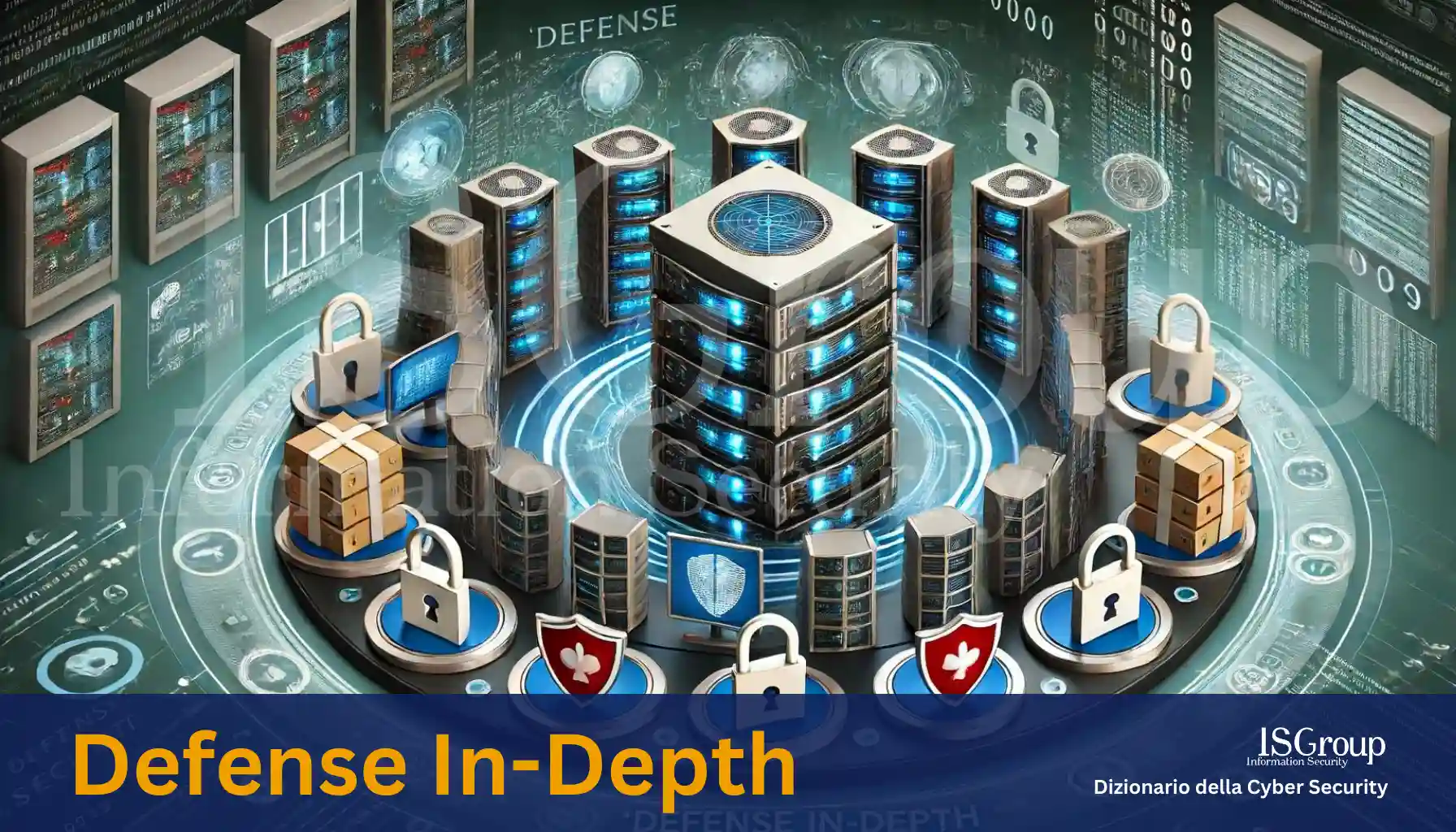
“Defense In-Depth” is a strategic approach to cybersecurity that involves using multiple layers of protection to safeguard an organization’s assets, ensuring that the failure of a single security component does not compromise the entire system.
Fundamental Principles
**1. Diversification: Utilize different types of security measures to cover a wide range of potential threats. This could include firewalls, antivirus, intrusion detection systems, encryption, and access controls.
**2. Redundancy: Implement multiple instances of the same type of security measure. For example, having multiple firewalls or backup solutions ensures that if one fails, the others can still protect the infrastructure.
**3. Depth: Position defenses at various levels of the IT infrastructure, from the network edge to endpoint devices. This creates a series of obstacles that an attacker must overcome, increasing the likelihood of detecting and stopping the attack in time.
Key Components
- Security Perimeter: Firewalls and intrusion prevention systems (IPS) protect external access to the network.
- Network Security: Use of network segmentation to limit the lateral movement of attackers.
- Endpoint Security: Antivirus, antimalware, and endpoint detection and response (EDR) systems on end-user devices.
- Application Security: Measures such as vulnerability testing and patch management to keep applications secure.
- Data Security: Encryption of data both at rest and in transit, along with strict access management policies.
- Monitoring and Detection: Continuous monitoring systems and log analysis to detect suspicious activity.
- Incident Response: A well-defined plan to respond quickly to security incidents, minimizing the impact.
Benefits
- Increased Resilience: The presence of multiple layers of defense makes IT infrastructure more resistant to attacks, as it does not depend on a single point of failure.
- Early Detection: Greater chances of detecting suspicious activity thanks to the multiplicity of control and monitoring points.
- Risk Mitigation: Reduction of overall risk through the diversification and redundancy of security measures.
Conclusion
Defense In-Depth is a robust and versatile approach to cybersecurity, essential for protecting digital assets in an ever-evolving threat landscape. By implementing a series of layered defenses, organizations can significantly increase their ability to prevent, detect, and respond effectively to cyberattacks.
Want to give your company the highest level of cyber security? ISGroup SRL is here to help with cyber security solutions tailored to your business.
Would you like us to take care of everything for you? Our Virtual CISO and vulnerability management services are a perfect fit for your organization.
Already know what you need? Explore our services:
- Vulnerability Assessment
- Network Penetration Testing
- Web Application Penetration Testing
- Mobile Application Security Testing
- Ethical Hacking
- Training
And much more. Protect your company with the best cybersecurity experts!