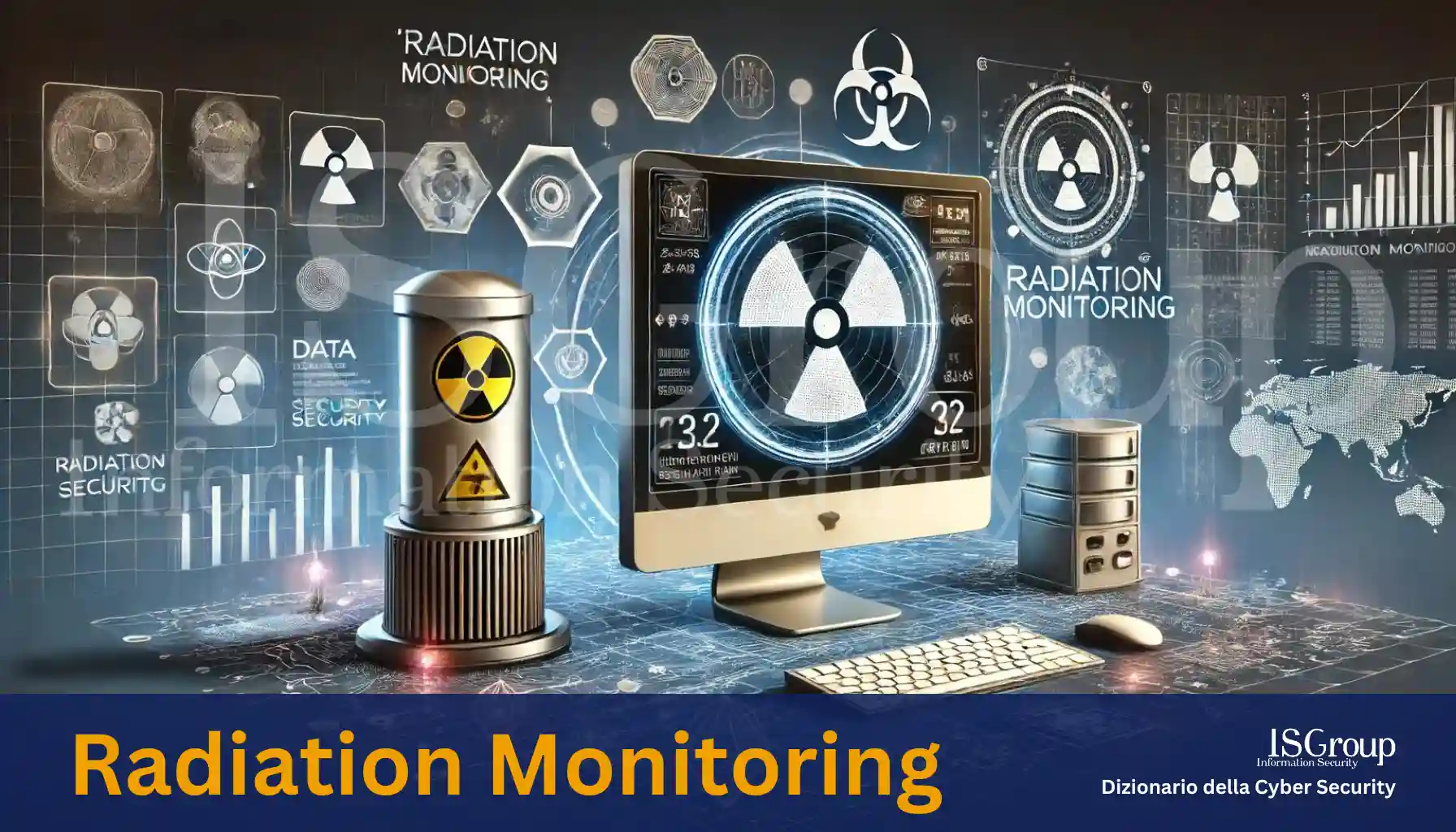
Radiation monitoring is the process of receiving images, data, or audio from an unprotected source by listening to radiation signals. This process is crucial for ensuring the safety and protection of both people and the environment in various settings, such as nuclear power plants, research laboratories, hospitals, and other facilities where ionizing radiation is used or may be present.
What is Radiation Monitoring?
Radiation monitoring consists of detecting and measuring the radiation present in the environment. Radiation can come from various sources, including radioactive materials, medical and industrial equipment, and nuclear waste. The instruments used for this purpose are designed to pick up radiation signals and convert them into data that can be read and interpreted by operators.
Monitoring Instruments
There are various instruments for radiation monitoring, including:
- Dosimeters: personal devices that measure the radiation dose absorbed by an individual.
- Geiger counters: portable instruments that detect the presence of ionizing radiation.
- Spectrometers: devices that analyze radiation energy to identify the type of radionuclides present.
- Area monitors: systems installed in specific locations to continuously monitor ambient radiation levels.
Applications of Radiation Monitoring
Radiation monitoring finds application in several sectors:
- Nuclear Energy: In nuclear power plants, continuous monitoring is essential to ensure that radiation levels remain within safe limits.
- Medicine: In hospitals, radiation monitoring is fundamental to protect patients and medical staff from excessive exposure during the use of radiological equipment.
- Industry: In industrial sectors, such as the production of radioactive materials, monitoring is necessary to prevent accidents and contamination.
- Research: In research laboratories, radiation monitoring helps maintain a safe working environment during experiments with radioactive materials.
Importance of Safety
Safety is a crucial aspect of radiation monitoring. Operators must be adequately trained to use monitoring instruments and interpret data correctly. Furthermore, protective measures, such as shielding and safety procedures, must be adopted to minimize radiation exposure.
Conclusions
Radiation monitoring is a fundamental process for the management and control of radiation in various environments. Thanks to advanced technologies and rigorous safety practices, it is possible to minimize the risks associated with radiation and protect both people and the environment.
This article has provided an overview of radiation monitoring, highlighting its importance and applications. To ensure effective protection, it is essential to continue developing increasingly sophisticated technologies and methodologies in the field of radiation monitoring.
Want to give your company the highest level of cyber security? ISGroup SRL is here to help with cyber security solutions tailored to your business.
Would you like us to take care of everything for you? Our Virtual CISO and vulnerability management services are a perfect fit for your organization.
Already know what you need? Explore our services:
- Vulnerability Assessment
- Network Penetration Testing
- Web Application Penetration Testing
- Mobile Application Security Testing
- Ethical Hacking
- Training
And much more. Protect your company with the best cybersecurity experts!