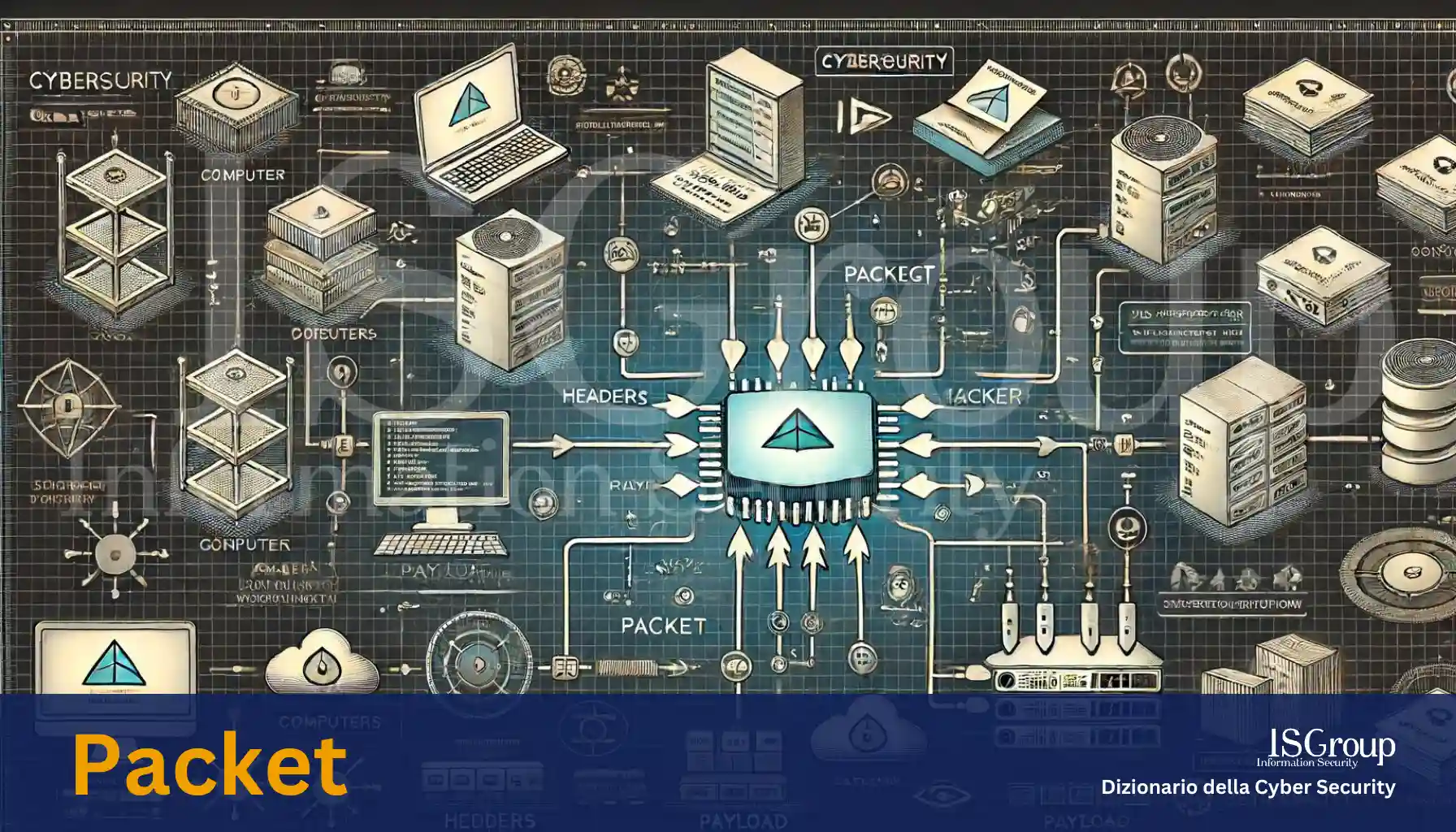
A packet is a fragment of a message transmitted over a packet-switched network. It is one of the fundamental units of data in network communication, essential for the operation of modern computer networks, including the Internet and other IP (Internet Protocol) networks.
Key characteristics
One of the distinctive features of a packet is that it contains not only the actual data to be transmitted but also the destination address. This allows the packet to travel through the network and reach the correct recipient, even if the path is not determined in advance. Each packet can follow a different path through the network and recombine with other packets upon delivery.
Structure of a packet
A typical packet can be divided into several parts, each with a specific function:
- Header: Contains control information, such as source and destination IP addresses, sequence numbers, and other data necessary for routing and managing the packet.
- Payload: This is the part of the packet that contains the actual data to be transmitted. It can be a fragment of a larger message or a single piece of information.
- Trailer (if present): May include additional control information, such as checksums for verifying data integrity.
Packet Switching
Packet switching transmission is a data transport method in which messages are broken down into small packets that are sent independently across the network. This method offers various advantages over circuit switching, such as greater efficiency in bandwidth utilization and better resilience to network failures and congestion.
Datagrams
In IP networks, packets are often called datagrams. A datagram is a self-contained unit of data that includes all the information necessary to be routed from source to destination without the need for previously established connections. This feature makes IP networks very flexible and scalable, allowing for the efficient transmission of data between various devices and networks.
Conclusion
Packets are fundamental to the operation of modern networks. They enable the efficient and flexible transmission of data across complex networks and are the basis for the operation of the Internet and other communication networks. Their ability to carry both data and control information makes them a key component of communication technology.
Want to give your company the highest level of cyber security? ISGroup SRL is here to help with cyber security solutions tailored to your business.
Would you like us to take care of everything for you? Our Virtual CISO and vulnerability management services are a perfect fit for your organization.
Already know what you need? Explore our services:
- Vulnerability Assessment
- Network Penetration Testing
- Web Application Penetration Testing
- Mobile Application Security Testing
- Ethical Hacking
- Training
And much more. Protect your company with the best cybersecurity experts!