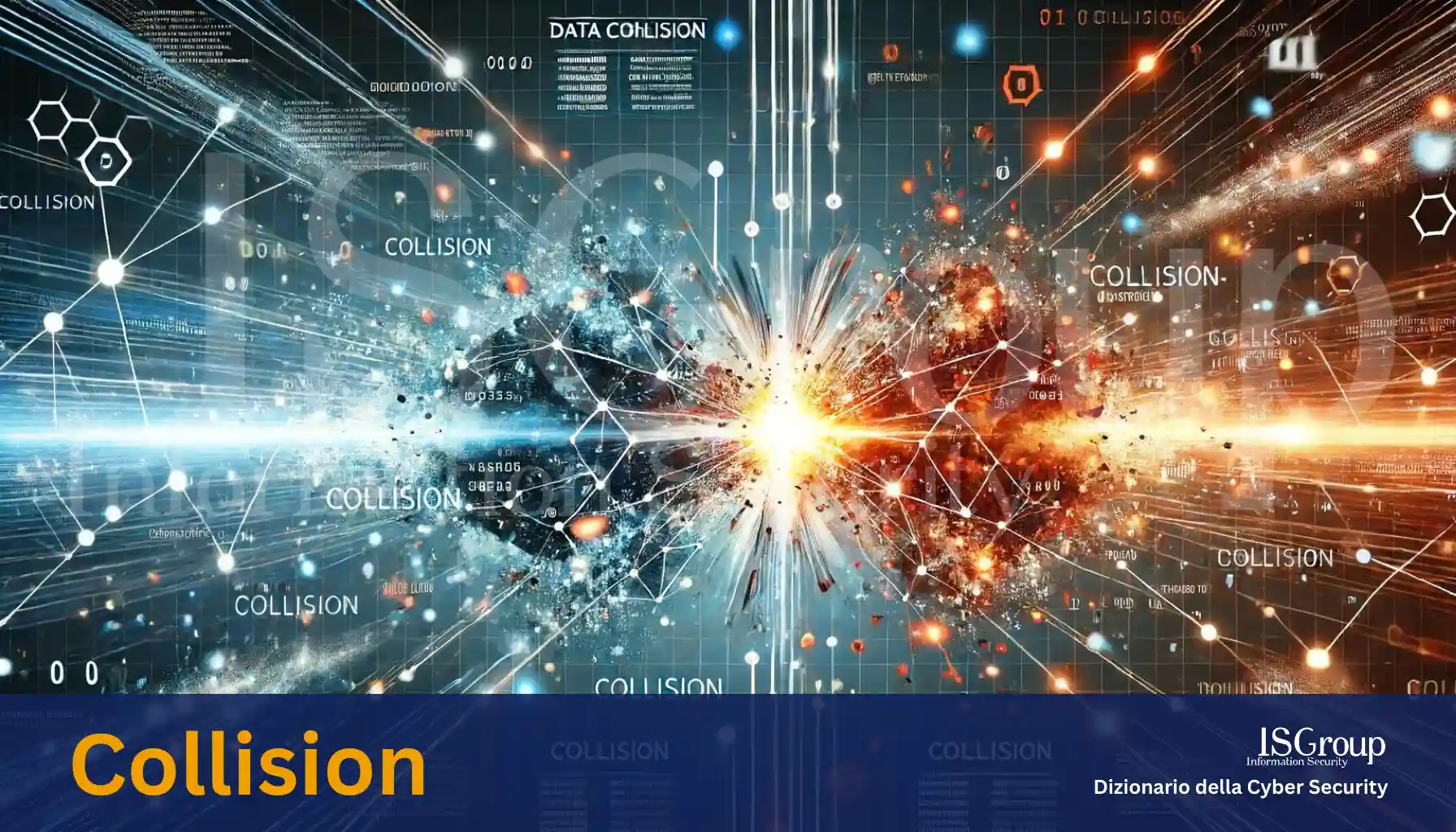
A collision occurs when multiple systems transmit simultaneously on the same wire. This phenomenon is common in Ethernet-type networks and can cause data loss and the need for retransmission.
Causes of Collisions
Collisions occur primarily in networks that use the CSMA/CD (Carrier Sense Multiple Access with Collision Detection) protocol. In this type of network, all connected devices share the same transmission medium and listen to the channel before beginning to transmit. If two devices simultaneously detect that the channel is free and begin transmitting, a collision occurs.
Impact of Collisions
When a collision occurs, the data transmitted by both devices is corrupted and cannot be received correctly. This leads to:
- Data Retransmission: The devices involved in the collision must stop transmission, wait for a random time interval (backoff), and retry the transmission. This introduces a delay in communications.
- Inefficient Bandwidth Usage: Collisions reduce network efficiency because part of the channel capacity is wasted on retransmissions.
- Increased Latency: An increase in collisions can lead to a significant increase in network latency, especially in environments with high data traffic.
Prevention and Management of Collisions
- Network Segmentation: One of the solutions to reduce collisions is to segment the network into multiple smaller subnets using switches or routers. This reduces the number of devices sharing the same transmission medium.
- Full-Duplex Ethernet: The use of full-duplex connections, where data can be transmitted and received simultaneously without collisions, completely eliminates the problem in modern Ethernet networks.
- Higher-Layer Protocols: Implementing protocols such as Token Ring, which control access to the transmission medium, can also prevent collisions.
Conclusion
Collisions are a typical problem in shared networks and can have a significant impact on network performance. With the evolution of network technologies and the adoption of solutions such as full-duplex and segmentation, the problem of collisions has been largely mitigated in modern network infrastructures. However, understanding the concept of a collision and its implications remains fundamental for anyone working in the field of computer networking.
Want to give your company the highest level of cyber security? ISGroup SRL is here to help with cyber security solutions tailored to your business.
Would you like us to take care of everything for you? Our Virtual CISO and vulnerability management services are a perfect fit for your organization.
Already know what you need? Explore our services:
- Vulnerability Assessment
- Network Penetration Testing
- Web Application Penetration Testing
- Mobile Application Security Testing
- Ethical Hacking
- Training
And much more. Protect your company with the best cybersecurity experts!