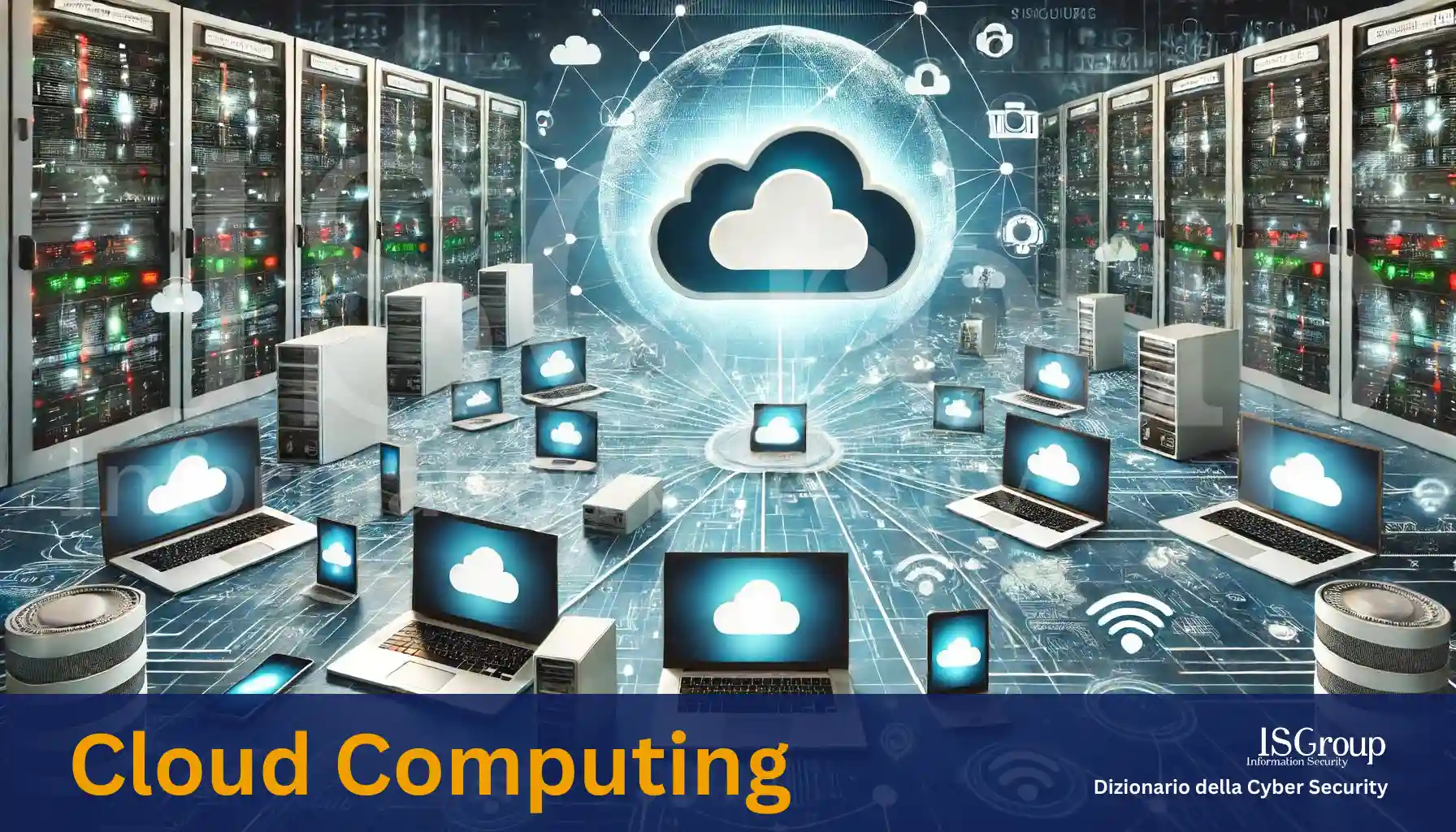
Cloud computing refers to the use of remote servers located in a cloud service provider’s data centers to store, manage, and process data, instead of using local computing systems. This model of utilizing computing resources offers numerous advantages over traditional approaches based on local infrastructure.
Key Features of Cloud Computing
- Scalability: One of the main features of cloud computing is its ability to scale resources based on needs. This means it is possible to increase or decrease processing and storage capacity without having to invest in new hardware.
- Accessibility: Cloud services are accessible wherever there is an internet connection, allowing users to work and access their data from anywhere and with any device.
- Reliability: Cloud service providers usually offer high levels of reliability thanks to data redundancy and integrated backup solutions. This reduces the risk of data loss and ensures operational continuity even in the event of hardware failure.
- Cost-Efficiency: Adopting cloud computing can significantly reduce the costs associated with purchasing and maintaining hardware and software. Users pay only for the resources actually used, adopting a “pay-as-you-go” payment model.
- Security: Cloud service providers invest heavily in the security of their infrastructure, offering advanced solutions for data protection, including encryption, firewalls, and intrusion detection systems.
Types of Cloud Services
- Infrastructure as a Service (IaaS): Provides fundamental computing resources such as processing power, storage space, and networks. Users can manage their own applications and data on these virtual infrastructures.
- Platform as a Service (PaaS): Offers development platforms that allow developers to create, test, and deploy applications without worrying about managing the underlying infrastructure.
- Software as a Service (SaaS): Allows access to application software via the cloud. Users can use applications such as email, customer relationship management (CRM), and collaboration tools directly through a web browser.
Conclusion
Cloud computing represents a revolution in how computing resources are used and managed. The ability to access scalable, reliable, and secure resources from any location and device makes cloud computing an increasingly popular choice among organizations of all sizes. With continuous technological progress and the growing adoption of this model, the future of cloud computing appears promising and full of opportunities.
Want to give your company the highest level of cyber security? ISGroup SRL is here to help with cyber security solutions tailored to your business.
Would you like us to take care of everything for you? Our Virtual CISO and vulnerability management services are a perfect fit for your organization.
Already know what you need? Explore our services:
- Vulnerability Assessment
- Network Penetration Testing
- Web Application Penetration Testing
- Mobile Application Security Testing
- Ethical Hacking
- Training
And much more. Protect your company with the best cybersecurity experts!