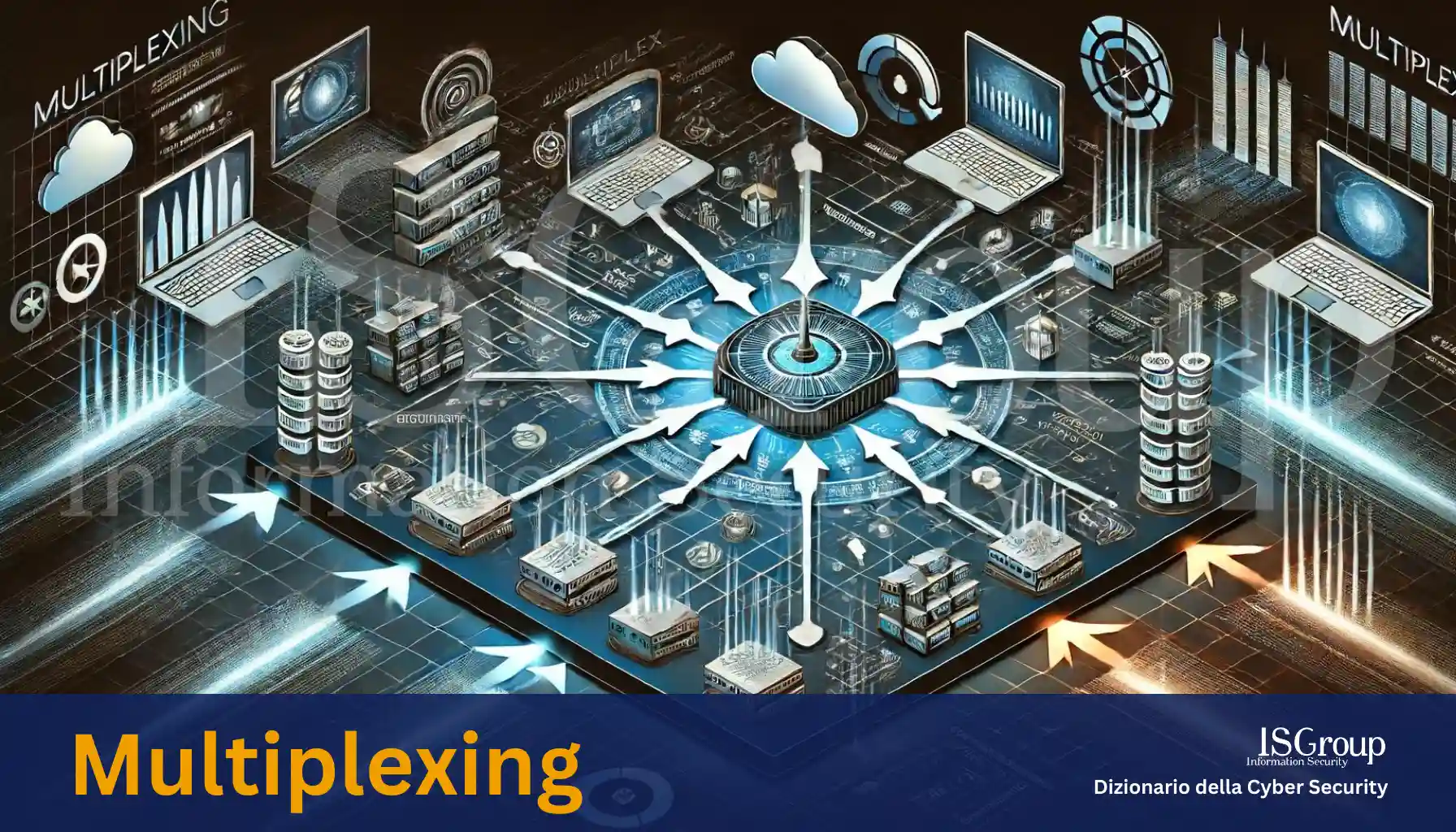
The term “multiplexing” refers to the technique of combining multiple signals from potentially disparate sources to transmit them over a single path. This process is essential in various telecommunications and computing applications, allowing for efficient and optimized management of transmission resources.
Types of Multiplexing
- TDM (Time Division Multiplexing): In TDM, transmission time is divided into distinct time slots. Each source signal is transmitted in its own time slot, one after another, in a cyclical sequence. This method is widely used in digital telephone networks.
- FDM (Frequency Division Multiplexing): In FDM, the available frequency spectrum is divided into non-overlapping frequency bands. Each source signal is transmitted in a distinct frequency band. This technique is used, for example, in radio and television broadcasting.
- WDM (Wavelength Division Multiplexing): Used primarily in fiber optic communications, WDM divides the transmitted light into different wavelengths, each carrying a different signal. This allows for the simultaneous transmission of multiple signals through a single fiber optic cable.
- CDM (Code Division Multiplexing): In CDM, each source signal is multiplied by a unique code and then transmitted simultaneously in the same channel. The received signals are decoded using the same code. This technique is the basis for CDMA (Code Division Multiple Access) mobile phone networks.
Advantages of Multiplexing
- Efficiency: It allows for the optimization of available transmission resources by sending multiple signals through a single path.
- Cost Reduction: It reduces infrastructure costs since fewer physical paths are needed to transmit a large volume of data.
- Flexibility: It allows for the integration of signals from different sources, regardless of their format or content, into a single transmission stream.
Applications of Multiplexing
Multiplexing finds application in numerous sectors, including:
- Telecommunications: It enables the transmission of multiple phone calls over a single line.
- Computer Networks: It facilitates the simultaneous transmission of data from different applications over a single network connection.
- Radio and Television Broadcasting: It allows for the transmission of multiple radio or television channels over a single frequency or cable.
In conclusion, multiplexing is a crucial technique for modern communication management, offering an effective means to combine and transmit multiple signals over a single path, thereby improving efficiency and reducing infrastructure costs.
Want to give your company the highest level of cyber security? ISGroup SRL is here to help with cyber security solutions tailored to your business.
Would you like us to take care of everything for you? Our Virtual CISO and vulnerability management services are a perfect fit for your organization.
Already know what you need? Explore our services:
- Vulnerability Assessment
- Network Penetration Testing
- Web Application Penetration Testing
- Mobile Application Security Testing
- Ethical Hacking
- Training
And much more. Protect your company with the best cybersecurity experts!