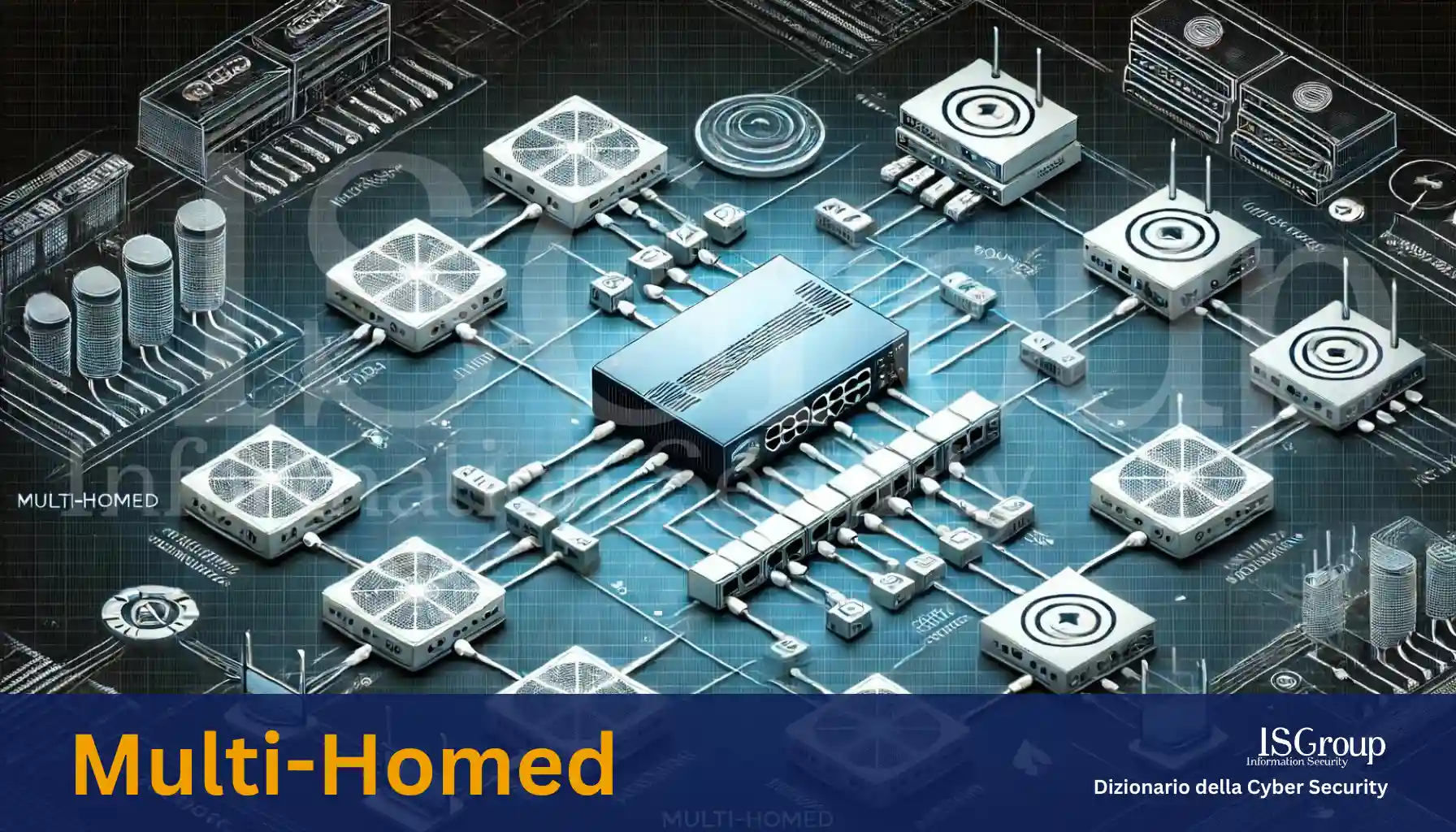
The term “Multi-Homed” refers to a network configuration in which a system is directly connected to two or more Internet Service Providers (ISPs). This configuration is used to improve the reliability, redundancy, and performance of a network’s internet connectivity.
Benefits of Multi-Homing
- Reliability: One of the primary motivations for implementing a multi-homed configuration is to increase internet connection reliability. If one of the ISPs experiences a service outage, the connection can be maintained through the other ISP(s).
- Load Balancing: Multi-homing allows for the distribution of network traffic across different ISPs. This load balancing can optimize network performance, reducing latency and increasing available bandwidth.
- Performance Improvement: By choosing the most efficient path for data traffic, overall network performance can be improved. Some paths through one ISP may be faster or less congested than others.
- Flexibility: Having multiple connections offers greater flexibility in managing routing policies and can facilitate the maintenance and upgrading of network infrastructure without interrupting service.
Types of Multi-Homing
There are several ways to implement multi-homing, each with specific characteristics:
- Multi-Homing with Static IP: In this configuration, a network uses static IP addresses provided by each ISP. This approach requires more complex management of routing and IP addressing policies.
- Multi-Homing with Dynamic IP: Uses IP addresses assigned dynamically by the various ISPs. While simpler to implement, it can present challenges in maintaining stable connections and load balancing.
- Multi-Homing via VPN: Some organizations implement multi-homing through VPN connections to multiple ISPs. This approach can provide an additional level of security and privacy, but may introduce additional latency.
Challenges of Multi-Homing
- Configuration Complexity: Managing a multi-homed network can be complex, requiring advanced networking skills to correctly configure routing and load balancing.
- Costs: Maintaining connections with multiple ISPs can be expensive. In addition to subscription costs, there are also expenses associated with managing and maintaining the network infrastructure.
- Compatibility: Not all network devices or software easily support multi-homed configurations, which can limit the options available to organizations.
Conclusions
Multi-homing is a powerful solution for improving the reliability, performance, and flexibility of a network’s internet connectivity. However, it requires careful planning, technical expertise, and adequate financial resources to be implemented effectively. Organizations must carefully evaluate the benefits and challenges associated with multi-homing to determine if this configuration is suitable for their specific needs.
Want to give your company the highest level of cyber security? ISGroup SRL is here to help with cyber security solutions tailored to your business.
Would you like us to take care of everything for you? Our Virtual CISO and vulnerability management services are a perfect fit for your organization.
Already know what you need? Explore our services:
- Vulnerability Assessment
- Network Penetration Testing
- Web Application Penetration Testing
- Mobile Application Security Testing
- Ethical Hacking
- Training
And much more. Protect your company with the best cybersecurity experts!